
Can Fibroids Affect Pregnancy and Fertility
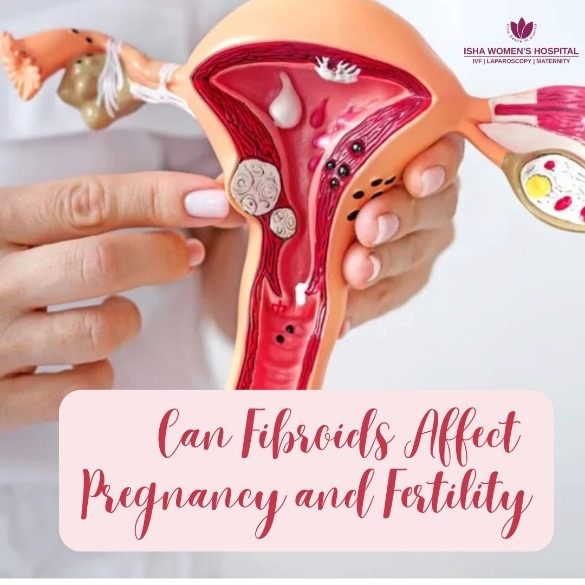
Being told that you have uterine fibroids can raise many questions and concerns—especially if you are planning a pregnancy or struggling to conceive. Will fibroids affect my fertility? Can I get pregnant naturally? Will my pregnancy be safe? These are some of the most common fears women experience after a fibroid diagnosis.
The truth is reassuring: fibroids do not always cause infertility, and many women with fibroids conceive naturally and deliver healthy babies. However, the effect of fibroids on fertility and pregnancy depends on several important factors such as their size, number, and location within the uterus.
Understanding fibroids is the first and most important step toward making the right decisions for your reproductive health.
At Isha Women’s Hospital, women receive clear answers, advanced diagnostic evaluation, and personalised care under the expertise of Dr Chinmay Pataki, the most trusted fertility specialist and laparoscopic surgeon. Rather than creating fear, the focus is on evidence-based guidance—treating fibroids only when they truly affect fertility or pregnancy outcomes.
Whether you are planning your first pregnancy, undergoing fertility treatment, or already pregnant, this guide will help you make informed, confident decisions about your health.
Understanding Fibroids
Before understanding how fibroids may affect fertility or pregnancy, it’s essential to know what fibroids are, why they form, and how their location within the uterus plays a crucial role in determining their impact.
What Are Uterine Fibroids?
Uterine fibroids, medically known as leiomyomas, are non-cancerous (benign) growths that develop from the muscular layer of the uterus (myometrium).
They are one of the most common gynecological conditions seen in women, especially during the reproductive age group of 25–45 years.
Key Facts About Fibroids:
• Fibroids are not cancer and do not turn into cancer
• They grow under the influence of female hormones, mainly estrogen and progesterone
• Their size can range from tiny, seed-like nodules to large masses that may increase the size of the uterus
• A woman may have a single fibroid or multiple fibroids at the same time
An Important Reality: Many women have fibroids without any symptoms at all.
In clinical practice at Isha Women’s Hospital, the best fertility centre of Dombivali, fibroids are frequently detected:
• During routine pelvic ultrasounds
• While evaluating infertility
• During pregnancy scans
This is why expert interpretation of scans by an experienced fertility specialist like Dr. Chinmay Pataki is crucial — not every fibroid needs treatment, but every fibroid needs proper evaluation
Types of Fibroids Based on Location
Not all fibroids behave the same way.
The location of the fibroid within or around the uterus is the single most important factor when it comes to fertility and pregnancy outcomes.
Let’s understand the main types:
|
Type |
Location |
Fertility Impact |
|---|---|---|
|
Submucosal Fibroids |
Inside the uterine cavity Submucosal fibroids grow just beneath the inner lining of the uterus (endometrium) and often protrude into the uterine cavity |
High |
|
Intramural Fibroids
|
Within the uterine wall Intramural fibroids are the most common type and grow within the uterine muscle itself. |
Moderate (size-dependent) |
|
Sub-serosal Fibroids |
Outside uterus These fibroids grow on the outer surface of the uterus and extend outward into the pelvic cavity.
|
Low |
|
Pedunculated Fibroids |
Attached to the uterus by a stalk Pedunculated fibroids can be sub-serosal or submucosal and grow on a thin, stem-like structure. |
Usually low • May cause pain if the stalk twists |
How Fibroids Affect Fertility
A diagnosis of fibroids often leads to an immediate fear of infertility. However, the truth is far more reassuring — most women with fibroids are able to conceive naturally.
At Isha Women’s Hospital, Dombivli, one of the most common questions Dr. Chinmay Pataki answers is:
Doctor, will my fibroids stop me from getting pregnant?
The answer depends not on the presence of fibroids alone, but on three critical factors: size, number, and location.
What Determines Fertility Impact?
Fertility issues related to fibroids depend on:
• Size – Larger fibroids are more likely to interfere
• Number – Multiple fibroids may have a combined effect
• Location – Fibroids inside or close to the uterine cavity matter most
Studies suggest fibroids are the sole cause of infertility in only 5–10% of cases.
This is why, at Isha Women’s Hospital, the best fertility centre of Dombivali, fertility evaluation always includes:
- Detailed ultrasound mapping
- Assessment of uterine cavity
- Correlation with menstrual and reproductive history
Treatment is recommended only when fibroids are clearly affecting fertility, ensuring women are not subjected to unnecessary surgery.
Ways Fibroids Interfere with Conception
Certain fibroids can disrupt the delicate process of conception and implantation in several ways:
Distortion of the Uterine Cavity
Submucosal and some intramural fibroids can change the shape of the uterine cavity, making it difficult for an embryo to implant properly.This is a key reason for infertility and recurrent miscarriage.
Blocked Fallopian Tubes
Large fibroids near the tubal openings can:
• Compress fallopian tubes
• Prevent sperm from reaching the egg
• Block embryo transport
Poor Embryo Implantation
Fibroids may:
• Reduce endometrial receptivity
• Interfere with embryo attachment
• Cause early pregnancy failure
Altered Uterine Contractions
Normal uterine contractions help sperm travel and support implantation. Fibroids can:
• Disrupt normal contractility
• Create abnormal uterine movements, this can reduce the chances of natural conception.
Reduced Blood Supply to the Uterine Lining
Fibroids can divert blood flow away from the endometrium, resulting in:
• Poor lining development
• Reduced oxygen and nutrient supply
• Lower implantation rates
This is especially relevant in women undergoing fertility treatment.
Fibroids and Pregnancy
Hearing that you have fibroids during pregnancy can be worrying. The reassuring truth is that most women with fibroids go on to have healthy, successful pregnancies — especially when they are under expert medical supervision.
At Isha Women’s Hospital, women with fibroids receive personalized pregnancy care and close monitoring, ensuring both mother and baby remain safe throughout the journey.
Can You Get Pregnant with Fibroids?
Yes — many women conceive naturally despite having fibroids.
In most cases:
• Pregnancy progresses normally
• Fibroids do not interfere with fetal development
• No intervention is required during pregnancy
However, regular monitoring is essential, as fibroids may influence pregnancy depending on their size and location.
Possible Pregnancy Complications Due to Fibroids
While many pregnancies remain uncomplicated, certain fibroids can increase the risk of specific issues:
Pain During Pregnancy
• Caused by fibroid degeneration due to reduced blood supply
• More common in large fibroids
• Usually managed with safe medications and rest
Miscarriage
• Risk depends largely on fibroid location
• Submucosal and cavity-distorting fibroids carry higher risk
• Many women with fibroids still carry pregnancies to term
Preterm Labor
• Large or multiple fibroids may irritate the uterus
• Can trigger early contractions
• Requires close monitoring and timely intervention
Placental Problems
Fibroids near the placental site may lead to:
• Placenta previa
• Placental abruption
• Poor placental blood flow
Early diagnosis at Isha Women’s Hospital helps manage these risks effectively.
Increased Chance of Cesarean Section
• Due to malpresentation or obstruction of the birth canal
• C-section is planned only when medically required
Important: The presence of fibroids alone does not mean a cesarean is mandatory.
Do Fibroids Grow During Pregnancy?
Fibroid behavior during pregnancy is unpredictable.
• Some fibroids grow due to increased estrogen levels
• Others remain stable throughout pregnancy
• Many fibroids shrink after delivery
When Fibroids Need Treatment Before Pregnancy
Not all fibroids require treatment. However, intervention is recommended when fibroids are clearly affecting fertility or pregnancy outcomes:
- Submucosal fibroids
- Large intramural fibroids (>4–5 cm)
- Recurrent miscarriages
- Failed IVF cycles
At Isha Women’s Hospital, the goal is always to improve pregnancy outcomes while preserving the uterus.
How Isha Women’s Hospital Helps
At Isha Women’s Hospital, Dombivali, women with fibroids receive comprehensive, fertility-focused care:
- Detailed reproductive evaluation
- Advanced ultrasound and imaging
- Fertility-preserving fibroid surgery
- IVF planning when required
- Safe pregnancy monitoring for women with fibroids
Under the expert care of Dr. Chinmay Pataki, patients benefit from honest advice, evidence-based decisions, and compassionate support at every stage.
Fibroids Don’t Always Mean Infertility
Being diagnosed with fibroids can feel overwhelming, especially for women who are planning pregnancy or struggling to conceive. However, it is important to remember one reassuring truth:
Fibroids are common — and in most cases, they are completely manageable.
Millions of women around the world live with fibroids, and many conceive naturally, experience smooth pregnancies, and deliver healthy babies. The presence of fibroids alone does not define fertility potential or pregnancy outcomes.
What truly matters is the right diagnosis at the right time.
Not all fibroids need treatment. Some require only observation, while others may need timely medical or surgical management. Treating fibroids unnecessarily can be just as harmful as ignoring those that truly affect fertility. This is why expert evaluation and individualized decision-making are crucial.
At Isha Women’s Hospital, Dombivli, care for fibroids is never one-size-fits-all. Under the expert guidance of Dr. Chinmay Pataki, every woman receives:
• Detailed fertility-focused evaluation
• Advanced imaging to assess fibroid type and location
• Honest guidance on whether treatment is truly needed
• Fertility-preserving surgical options when required
• Safe and closely monitored pregnancy care
This personalized approach ensures that fertility is protected, pregnancy risks are minimized, and women feel informed and confident at every step.
If you have been diagnosed with fibroids or are facing difficulty conceiving, remember — fibroids do not mean the end of your fertility journey. With the right expertise, timely care, and compassionate support, a healthy pregnancy is very much possible.
Consult Dr. Chinmay Pataki at Isha Women’s Hospital, Dombivli — where science, experience, and empathy come together to support your journey to motherhood.
Frequently Asked Questions (FAQs)
1. Can fibroids prevent pregnancy completely?
Ans - Rarely — depends on size and location.
2. Should fibroids always be removed before pregnancy?
Ans - No, only selected cases need treatment.
3. Can fibroids cause miscarriage?
Ans - Some types may increase risk.
4. Is pregnancy safe with fibroids?
Ans - Yes, with proper monitoring.
5. Can fibroids come back after surgery?
Ans - Yes, but recurrence can be managed.