
Dr. Chinmay Pataki Explains: When Period Pain Is a Sign of Endometriosis
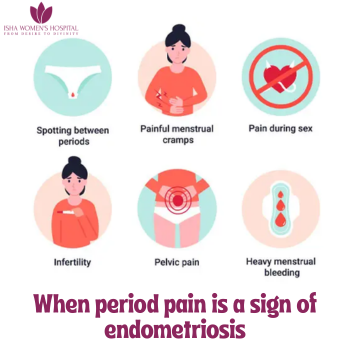
Missing school, cancelling work, or lying curled up in bed every month is often dismissed as normal female pain. But according to Dr. Chinmay Pataki, gynecologist and fertility specialist at Isha Women’s Hospital & IVF Centre, Dombivli, severe or worsening period pain is never normal.
In many women, intense period pain is the earliest warning sign of endometriosis — a condition that affects quality of life, mental health, and fertility when left undiagnosed.
This article explains how to recognise abnormal period pain, understand endometriosis, and why early expert evaluation can change outcomes dramatically.
Key Takeaways
- Period pain is common, but severe or worsening pain is not normal.
- Endometriosis is a leading cause of chronic pelvic pain and infertility.
- Many women ignore symptoms for years, delaying diagnosis.
- Early detection improves pain control and fertility outcomes.
- Expert evaluation is essential for accurate diagnosis and treatment.
Understanding Normal vs Abnormal Period Pain
Mild cramping during periods can be normal, especially in the first one or two days of bleeding.
This pain usually responds well to simple measures like rest or mild painkillers and does not interfere significantly with daily life.
However, pain becomes abnormal when:
- It is severe or disabling
- It worsens with each cycle
- It does not respond to medication
- It affects work, studies, or relationships
Relying on painkillers month after month is not a solution — it only masks symptoms while the underlying problem progresses
Dr. Chinmay Pataki explains:
Pain that worsens over time or affects quality of life always needs evaluation. Period pain should never be ignored.
Signs Your Period Pain Needs Medical Attention
You should seek medical advice if:
- You regularly miss school, college, or work due to period pain
- Pain does not improve even after taking medication
- Pain continues beyond the menstrual days
- Each cycle feels more painful than the previous one
These signs strongly suggest that the pain is not normal menstrual discomfort and may be linked to conditions like endometriosis.
Endometriosis Explained in Simple Terms
Endometriosis is a condition where tissue similar to the lining of the uterus grows outside the uterus.
Common sites include:
- Ovaries
- Pelvic ligaments
- Area behind the uterus
- Bowel or bladder surfaces
This tissue responds to monthly hormones but has no way to exit the body, leading to:
- Inflammation
- Scarring
- Adhesions
- Severe pain
Over time, this inflammation can distort pelvic anatomy and interfere with normal reproductive function.
Why Endometriosis Causes Severe Period Pain
Endometriosis pain occurs due to multiple reasons:
- Hormone-driven inflammation during periods
- Painful uterine contractions
- Involvement of pelvic nerves
- Adhesions pulling organs out of their normal position
This is why pain may start before periods, peak during bleeding, and continue even after periods end.
Period Pain Red Flags
Red-flag symptoms include:
- Severe cramps starting days before periods
- Pain that continues after bleeding stops
- Pain that worsens with age
- Need for strong or repeated painkillers
These symptoms are not normal and should raise suspicion of endometriosis.
Symptoms Beyond Periods
Endometriosis pain is not limited to menstruation.
Women may experience:
- Chronic pelvic pain
- Pain during sexual intercourse
- Pain during bowel movements or urination
- Persistent lower back pain
Because symptoms vary, many women are misdiagnosed or told the pain is “in their head.”
Endometriosis and Fertility Problems
Endometriosis can affect fertility by:
- Disrupting ovulation
- Affecting egg quality
- Interfering with fertilisation
- Causing implantation failure
It is also commonly associated with adenomyosis, further increasing fertility challenges.
Early diagnosis allows better fertility planning and preservation.
Why Endometriosis Is Often Missed
Common Myths That Delay Diagnosis
| Myth | Reality |
|---|---|
| Period pain is normal | Severe pain is not |
| Only older women get endometriosis | Teenagers can have it |
| Pregnancy cures endometriosis | Symptoms may return |
These myths lead to years of untreated disease.
Average Delay in Diagnosis
On average, women wait 7–10 years before receiving a diagnosis of endometriosis.
This delay happens because:
- Pain is normalised
- Symptoms are dismissed
- Awareness is low
Awareness is the first step toward early care.
Diagnostic Tools Used by Specialists
Diagnosis requires experience and a detailed approach:
- Careful symptom history
- Pelvic examination
- Expert-guided ultrasound
- MRI in selected cases
- Laparoscopy (gold standard when required)
No single test is enough.
Clinical expertise is crucial.
Treatment Options for Endometriosis
Medical Management
Medical treatment focuses on:
- Pain control
- Hormonal suppression
However, long-term medication has limitations and does not remove disease.
Surgical Treatment – When Is It Needed?
Surgery may be required when:
- Pain does not respond to medicines
- Fertility is affected
- Organs like bowel or bladder are involved
Expert surgery aims to remove disease completely while preserving fertility.
Dr. Pataki emphasises:
Surgery should aim to remove the disease while protecting future fertility.
Endometriosis, Pain Relief & Fertility Planning
Managing Endometriosis Without Losing Fertility
Treatment must be individualised:
- Combining surgery with fertility planning
- Preserving ovaries and uterus
- Timely IVF when indicated
The goal is pain relief without compromising motherhood dreams.
Why Early Treatment Matters
Early care:
- Prevents disease progression
- Reduces chronic pain
- Improves chances of natural conception or IVF success
Delaying treatment makes management more complex.
Expert Endometriosis Care at Isha Women’s Hospital
At Isha Women’s Hospital & IVF Centre, Dombivli, women receive:
- Early and accurate diagnosis
- Advanced laparoscopic surgery
- Fertility-preserving techniques
- Multidisciplinary care
The focus is long-term health, comfort, and fertility.
Period pain should never be ignored.
Your pain is real — and it is treatable.
Listening to your body and seeking help early can prevent years of suffering and protect fertility.
At Isha Women’s Hospital & IVF Centre, Dombivli, women receive compassionate, expert care for endometriosis and chronic pelvic pain at every stage of life.
Frequently Asked Questions (FAQs)
Ans - Mild cramping during periods can be normal, especially if it lasts only a day or two and does not interfere with daily activities. However, period pain is not normal if it is severe, worsening over time, or affects school, work, or social life. Pain that starts before periods, continues after periods, or requires strong painkillers every cycle is a red flag. According to Dr. Chinmay Pataki, pain that affects quality of life should always be evaluated, as it may be an early sign of endometriosis.
2. Why does endometriosis cause such severe period pain compared to normal cramps?
Ans - Endometriosis causes severe pain because tissue similar to the uterine lining grows outside the uterus, where it does not belong. This tissue responds to monthly hormones, leading to inflammation, swelling, and irritation of surrounding organs and nerves. Over time, endometriosis can cause scarring and adhesions, which pull pelvic organs and intensify pain during periods and even outside the menstrual cycle. This is why endometriosis pain is often more intense and longer-lasting than normal menstrual cramps.
3. Can endometriosis start in teenagers, or does it only affect older women?
Ans - Endometriosis can begin in teenage years, even soon after periods start. Many women recall having severe period pain from adolescence, but their symptoms were often dismissed as normal. Early symptoms in teenagers may include severe cramps, missed school days, and poor response to pain medication. Recognising these signs early allows timely diagnosis and prevents years of unnecessary suffering and disease progression.
4. Why is endometriosis often diagnosed so late?
Ans - Endometriosis is commonly diagnosed late because period pain is often normalised. Many women are told that pain is part of being a woman, leading them to delay seeking help. On average, diagnosis is delayed by 7–10 years. Lack of awareness, variable symptoms, and misconceptions such as pregnancy cures endometriosis contribute to this delay. Early consultation with an experienced specialist significantly shortens this diagnostic gap.
5. Does early treatment of endometriosis really make a difference?
Ans - Yes. Early treatment makes a significant difference in both pain control and fertility outcomes. Timely management can prevent disease progression, reduce chronic pelvic pain, and protect reproductive organs. For women planning pregnancy, early diagnosis allows fertility-preserving treatment strategies and timely planning, including assisted reproduction when needed. As Dr. Chinmay Pataki emphasizes, addressing symptoms early can change long-term health and fertility outcomes.