
Hidden Causes of Male Infertility: What Modern Fertility Testing Reveals
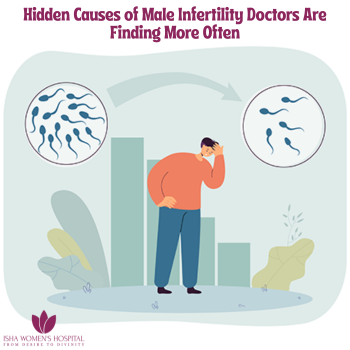
Male infertility is responsible for approximately half of all infertility cases, either alone or in combination with female fertility factors. Many affected men appear healthy and have no symptoms, making fertility testing essential when pregnancy is delayed.
One of the biggest misconceptions in reproductive medicine is that infertility is primarily a woman's issue.
In reality, fertility is a couple's issue.
Over the past decade, fertility specialists have become increasingly aware that many men with fertility challenges look completely healthy.
They may:
- Have normal sexual function
- Exercise regularly
- Have no medical complaints
- Have fathered children previously
Yet fertility testing may reveal underlying reproductive issues.
Dr. Chinmay Pataki's Clinical Observation
One of the most surprising things couples learn is that male fertility problems often have no symptoms. We regularly diagnose fertility issues in men who had absolutely no reason to suspect anything was wrong.
This is why modern fertility evaluation always includes both partners.
Key Takeaways
- Male infertility contributes to nearly 40–50% of infertility cases.
- Many men with fertility problems have no obvious symptoms.
- A normal sperm count does not always mean normal fertility.
- Advanced testing now identifies hidden causes that traditional semen analysis may miss.
- Sperm DNA fragmentation, hormonal disorders, varicocele, and genetic abnormalities are being diagnosed more frequently.
- Early male fertility testing can reduce delays and improve treatment outcomes.
- Fertility evaluation should always include both partners.
Why Doctors Are Finding More Male Fertility Problems Today
Advances in reproductive medicine have transformed how male fertility is assessed.
Years ago, evaluation often stopped after a basic semen analysis.
Today, specialists can investigate:
- Sperm DNA quality
- Hormonal balance
- Genetic abnormalities
- Structural reproductive issues
- Lifestyle-related reproductive risks
As testing becomes more sophisticated, hidden causes that once went undetected are now being identified more frequently.
This doesn't necessarily mean male infertility is increasing dramatically.
It means we are becoming better at finding problems that were previously invisible.
Hidden Sperm Problems Beyond Sperm Count
What Is Sperm DNA Fragmentation?
Sperm DNA fragmentation refers to damage within the genetic material carried by sperm. Even men with normal sperm counts can have high levels of DNA damage that affect fertilization, embryo development, miscarriage risk, and IVF success.
Traditional semen analysis measures:
- Count
- Motility
- Morphology
However, it does not fully assess sperm genetic integrity.
Why DNA Quality Matters
| Condition | Potential Impact |
|---|---|
| High DNA fragmentation | Reduced fertilization |
| Genetic sperm damage | Poor embryo development |
| DNA abnormalities | Increased miscarriage risk |
| Damaged sperm DNA | Lower IVF success |
Modern fertility specialists increasingly use DNA fragmentation testing in cases involving:
- Recurrent IVF failure
- Recurrent miscarriage
- Unexplained infertility
- Male fertility concerns despite normal semen reports
Dr. Chinmay Pataki Explains
A normal semen analysis can sometimes provide a false sense of reassurance. Advanced testing occasionally reveals sperm DNA abnormalities even when standard sperm parameters appear normal.
Poor Sperm Morphology Despite Normal Sperm Count
Many men focus only on sperm count.
However, sperm shape is equally important.
Sperm with abnormal morphology may have difficulty:
- Reaching the egg
- Penetrating the egg
- Supporting normal embryo development
A man may have millions of sperm, but still experience fertility challenges if a large proportion are structurally abnormal
Hormonal Causes That Often Go Undetected
Testosterone and Male Fertility
Hormones control sperm production. Even subtle hormonal imbalances can affect fertility without causing obvious symptoms.
Several hormones play essential roles in reproduction.
| Hormone | Function |
|---|---|
| Testosterone | Sperm production |
| FSH | Stimulates sperm development |
| LH | Supports testosterone production |
| Prolactin | Hormonal regulation |
Men with hormonal fertility problems may experience:
- Fatigue
- Reduced libido
- Low energy
- Mood changes
But many experience no symptoms at all.
This is why hormone testing is often included in fertility evaluations.
Thyroid Disorders and Male Fertility
The thyroid gland influences many body systems, including reproduction.
Both:
- Hypothyroidism
- Hyperthyroidism
may affect:
- Sperm quality
- Hormonal balance
- Reproductive function
Fortunately, thyroid-related fertility issues are often treatable once diagnosed.
Structural Problems Men Often Don't Know They Have
Varicocele: One of the Most Overlooked Causes
Varicocele is an enlargement of veins around the testes. It is one of the most common and potentially treatable causes of male infertility.
Many men with varicocele have no symptoms.
Some discover the condition only during fertility testing.
Varicocele Facts
- Common in infertile men
- May impair sperm production
- Can affect sperm quality
- Often diagnosed via examination or ultrasound
- Frequently treatable
Why It Matters
Varicocele may increase testicular temperature and affect normal sperm production.
For some men, treatment can improve fertility potential.
Reproductive Tract Blockages
Sperm production may be normal, but sperm still need a pathway to reach the semen.
Blockages can result from:
- Prior infections
- Congenital abnormalities
- Previous surgeries
- Ejaculatory duct obstruction
These issues often require specialized evaluation and treatment.
Genetic Causes Being Diagnosed More Frequently
Genetic Abnormalities and Male Infertility
Genetic conditions can affect sperm production, hormone levels, and reproductive development. Modern genetic testing helps identify causes that would have been missed in the past.
Examples include:
| Genetic Condition | Potential Effect |
|---|---|
| Y chromosome microdeletions | Reduced sperm production |
| Klinefelter syndrome | Low testosterone |
| Chromosomal abnormalities | Severe infertility |
Genetic testing is particularly valuable in men with:
- Very low sperm counts
- No sperm in semen
- Repeated fertility treatment failure
Why Family History Matters
A family history of:
- Infertility
- Genetic syndromes
- Reproductive disorders
may provide important clues.
During consultation, fertility specialists often review family medical history carefully before deciding on advanced testing.
Modern Lifestyle Factors Affecting Male Fertility
Stress and Reproductive Health
Chronic stress affects the body's hormonal systems.
Research suggests stress may contribute to:
- Reduced testosterone
- Altered sperm production
- Poor reproductive function
Dr. Chinmay Pataki's Experience
Many patients underestimate the impact of chronic stress. While stress alone is rarely the sole cause of infertility, it can contribute to an already vulnerable reproductive system.
Obesity and Metabolic Health
| Health Factor | Fertility Impact |
|---|---|
| Obesity | Lower testosterone |
| Insulin resistance | Hormonal disruption |
| Metabolic syndrome | Reduced sperm quality |
Maintaining a healthy weight supports both hormonal balance and sperm production.
Smoking, Alcohol, and Environmental Toxins
Growing evidence links certain exposures to male fertility problems.
Potential concerns include:
- Smoking
- Excess alcohol use
- Air pollution
- Industrial chemicals
- Pesticides
- Heavy metals
Many of these factors are associated with increased oxidative stress and sperm DNA damage.
Modern Lifestyle Risks Doctors Are Seeing More Often
Heat Exposure and Sperm Health
Sperm production is highly temperature-sensitive.
Frequent exposure to excessive heat may negatively affect sperm quality.
Examples include:
- Hot tubs
- Saunas
- Laptop use directly on the lap
- Occupational heat exposure
While occasional exposure is unlikely to cause permanent infertility, chronic exposure may affect sperm production.
Poor Sleep and Fertility
Sleep influences hormone production throughout the body.
Men with chronic sleep deprivation may experience:
- Hormonal disruption
- Reduced testosterone
- Poor sperm quality
Consistent, high-quality sleep supports reproductive health.
Sedentary Lifestyle and Fertility
Modern lifestyles often involve prolonged sitting and reduced physical activity.
Potential effects include:
- Weight gain
- Hormonal imbalance
- Metabolic dysfunction
Regular exercise supports overall reproductive wellness.
When Should Men Get Fertility Testing?
Warning Signs You Should Not Ignore
Although many men have no symptoms, evaluation may be appropriate if there is:
- Difficulty conceiving
- Previous fertility problems
- History of testicular injury
- Varicocele diagnosis
- Hormonal symptoms
- Family history of infertility
Important Reminder
A man can have completely normal sexual function and still have fertility problems.
Fertility Tests Commonly Recommended
Depending on the situation, testing may include:
- Semen analysis
- Hormonal testing
- Scrotal ultrasound
- DNA fragmentation testing
- Genetic testing
The right evaluation depends on each patient's history and fertility goals.
Male Fertility Assessment at Isha Women's Hospital
Comprehensive Male Fertility Evaluation
At Isha Women's Hospital & IVF Centre, Dombivli, male fertility assessment includes:
- Detailed medical history
- Lifestyle evaluation
- Semen analysis
- Hormonal testing
- Advanced fertility investigations when indicated
The goal is to identify underlying factors rather than simply treating symptoms.
Personalized Treatment Plans
Treatment may include:
- Lifestyle modifications
- Medical therapy
- Hormonal management
- Surgical correction of varicocele
- IVF or ICSI when appropriate
Every treatment plan is individualized based on the cause of infertility.
Many Male Fertility Problems Remain Hidden Until Testing
Male infertility is often silent.
Many hidden causes—including sperm DNA damage, hormonal abnormalities, genetic conditions, and varicocele—cannot be detected without proper evaluation.
The good news is that modern fertility testing allows doctors to uncover these issues earlier than ever before.
A Message from Dr. Chinmay Pataki
One of the most important lessons for couples is that fertility testing should never focus only on the woman. Male fertility plays an equally important role. Early evaluation often provides answers faster and opens the door to more effective treatment options.
If pregnancy has not occurred despite regular attempts, comprehensive evaluation of both partners can help identify the next best step toward parenthood.
Frequently Asked Questions (FAQs)
1. Can a man have normal sperm count and still be infertile?
Yes. A man can have a normal sperm count but still face fertility challenges due to issues such as sperm DNA fragmentation, poor sperm morphology, hormonal imbalances, or genetic abnormalities. Advanced fertility testing often uncovers these hidden causes that are not visible on a routine semen analysis.
2. What is the most commonly overlooked cause of male infertility?
Varicocele is one of the most frequently overlooked causes of male infertility. It involves enlarged veins around the testes that can affect sperm production and quality. Many men have no symptoms and only discover the condition during fertility evaluation.
3. Does sperm DNA fragmentation affect IVF success?
Yes. High sperm DNA fragmentation has been associated with lower fertilization rates, poorer embryo quality, recurrent miscarriages, and reduced IVF or ICSI success rates. Specialized testing may be recommended in cases of unexplained infertility or repeated IVF failure.
4. How do doctors test male fertility beyond semen analysis?
Additional tests may include hormonal evaluation, sperm DNA fragmentation testing, scrotal ultrasound, genetic testing, infection screening, and assessment of lifestyle or environmental risk factors. These tests provide a more comprehensive understanding of male reproductive health.
5. Can stress really cause male infertility?
Chronic stress can negatively affect hormone production, testosterone levels, sperm quality, and sexual health. While stress alone is rarely the sole cause of infertility, it can significantly contribute to fertility problems and reduce the chances of conception.
6. What medical conditions can silently affect male fertility?
Several medical conditions can impact fertility without causing obvious symptoms, including varicocele, thyroid disorders, diabetes, hormonal imbalances, genetic disorders, previous infections, and reproductive tract blockages. Many of these are only detected through targeted fertility testing.
7. Can lifestyle habits damage sperm DNA?
Yes. Smoking, excessive alcohol consumption, obesity, poor diet, lack of exercise, sleep deprivation, and exposure to environmental toxins can increase oxidative stress and damage sperm DNA. Improving lifestyle habits may help improve sperm quality over time.
8. Does age affect male fertility like it affects female fertility?
Yes. Although men remain fertile longer than women, increasing paternal age has been linked to reduced sperm quality, higher DNA fragmentation rates, longer time to conception, and increased risks of certain genetic conditions in offspring.
9. How long does it take to improve sperm quality naturally?
Since sperm production takes approximately 70–90 days, lifestyle changes such as quitting smoking, improving nutrition, exercising regularly, managing stress, and getting adequate sleep may begin to show measurable improvements within three months.
10. When should a man see a fertility specialist?
Men should consider fertility evaluation if a couple has been trying to conceive for:
- 12 months without success (if the female partner is under 35)
- 6 months without success (if the female partner is over 35)
Earlier evaluation is recommended if there is a history of testicular injury, varicocele, hormonal disorders, previous fertility problems, or abnormal semen analysis results.