
How Alcohol and Smoking Impact Fertility | Effects on Men and Women
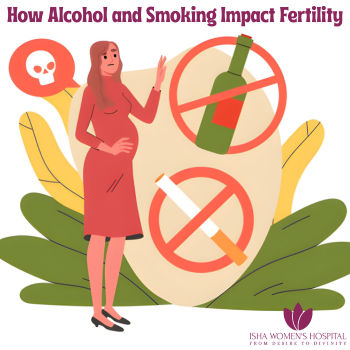
Fertility is often thought of as a purely medical issue, but in reality, lifestyle habits play a powerful and often underestimated role.
Alcohol consumption and smoking are two of the most common habits that silently reduce fertility in both men and women
Many couples are unaware that even moderate drinking or occasional smoking can delay pregnancy, reduce natural fertility, and lower the success rates of fertility treatments like IVF.
The effects are not always immediate, which is why they are frequently ignored until conception becomes difficult.
This article explains how alcohol and smoking affect fertility in men and women, why these effects occur, whether the damage is reversible, and how early lifestyle changes can protect long-term reproductive health.
At Isha Women’s Hospital & IVF Centre, Dombivli, fertility care always includes medical treatment combined with lifestyle optimisation for the best outcomes.
Key Takeaways
- Alcohol and smoking significantly reduce fertility in both men and women.
- They damage egg quality, sperm count, hormones, and reproductive organs.
- Even moderate use can delay pregnancy.
- Quitting improves natural fertility and IVF success rates.
- Early lifestyle changes protect long-term reproductive health.
Why Lifestyle Habits Matter for Fertility
Fertility depends on the healthy functioning of hormones, eggs, sperm, and reproductive organs.
Alcohol and smoking interfere with each of these systems at multiple levels.
These substances:
- Disrupts hormonal balance
- Increase oxidative stress
- Damage reproductive cells
- Reduce blood flow to reproductive organs
The effects often develop gradually, which is why many people do not connect their habits with fertility problems until months or years later
Importantly, fertility is not only about the woman’s health.
Both partners’ lifestyle habits matter equally when planning a pregnancy
Fertility is not just medical — it is strongly lifestyle-dependent.
How Alcohol Affects Female Fertility
Alcohol’s Effect on Hormones and Ovulation
Alcohol interferes with the delicate balance of female reproductive hormones.
It disrupts estrogen and progesterone levels, which are essential for regular ovulation.
As a result, women may experience:
- Irregular ovulation
- Missed ovulation cycles
- Irregular or delayed periods
Even when ovulation occurs, hormonal imbalance can affect the quality of ovulation and the uterine environment needed for implantation.
Over time, this disruption can significantly delay conception.
Impact on Egg Quality and Ovarian Reserve
Eggs are extremely sensitive to toxins and oxidative stress.
Alcohol increases oxidative damage inside the ovaries, which can harm egg DNA.
This leads to:
- Poor egg quality
- Faster depletion of eggs
- Reduced ovarian reserve
Long-term alcohol use has been linked to early ovarian aging, meaning the ovaries behave older than the woman’s actual age.
This can shorten the fertile window and make conception more difficult.
Alcohol and Pregnancy Outcomes
Alcohol not only affects conception but also pregnancy outcomes.
Studies show an increased risk of:
- Miscarriage
- Implantation failure
- Stillbirth
There is no safe level of alcohol during pregnancy.
Even early exposure before a woman realises she is pregnant can affect fetal development.
This is why alcohol avoidance is advised while trying to conceive.
How Smoking Affects Female Fertility
Smoking and Ovarian Damage
Cigarettes contain thousands of toxic chemicals, including nicotine, cadmium, and carbon monoxide.
These toxins directly damage ovarian follicles, where eggs are stored.
Smoking leads to:
- Reduced egg count
- Poor egg quality
- Increased chromosomal abnormalities
- Earlier menopause by 5–10 years
The damage is dose-dependent, meaning the longer and heavier the smoking, the greater the harm.
Even passive smoking can negatively affect ovarian health.
Smoking and Menstrual Problems
Smoking interferes with blood flow and hormone regulation.
This can cause:
- Irregular menstrual cycles
- Painful periods
- Increased risk of ectopic pregnancy
Women who smoke often experience more reproductive complications compared to non-smokers.
Impact on Male Fertility
Alcohol’s Effect on Sperm Health
Alcohol reduces testosterone levels, which are essential for sperm production.
In men, alcohol can cause:
- Lower sperm count
- Reduced sperm motility (movement)
- Increased abnormal sperm shapes
Chronic alcohol use may also affect liver function, further disrupting hormone regulation needed for healthy sperm production.
Smoking and Sperm Damage
Smoking is one of the strongest lifestyle factors linked to male infertility.
It causes:
- DNA fragmentation in sperm
- Reduced sperm concentration
- Poor sperm motility
Damaged sperm DNA increases the risk of:
- Infertility
- Recurrent miscarriages
- Birth defects
These effects impact both natural conception and assisted reproduction.
Alcohol, Smoking, and Erectile Function
Alcohol and smoking impair blood flow by damaging blood vessels.
This can lead to:
- Erectile dysfunction
- Reduced libido
- Poor sexual performance
Sexual dysfunction further reduces the chances of natural conception.
Alcohol, Smoking & Fertility Treatments
Impact on IVF and Fertility Treatment Success
Lifestyle habits strongly influence fertility treatment outcomes.
- Alcohol reduces egg yield during stimulation and lowers implantation rates.
- Smoking affects embryo quality and uterine receptivity.
- When both habits are present, fertility treatment failure rates increase significantly.
Smokers often require:
- Higher medication doses
- More IVF cycles
- Longer treatment duration
Quitting improves treatment success and reduces emotional and financial stress.
Passive Smoking (Second-Hand Smoke)
Second-hand smoke is not harmless.
It:
- Damages egg and sperm quality
- Increases miscarriage risk
- Affects pregnancy outcomes
Even non-smokers can experience fertility issues if regularly exposed to smoke.
What Happens When You Quit Alcohol and Smoking
The body has a remarkable ability to recover once exposure stops.
After quitting:
- Hormonal balance begins to normalise
- Sperm quality improves within about 3 months
- The ovarian environment gradually improves
- IVF success rates increase
- Pregnancy outcomes become healthier
The earlier you quit, the better the recovery and fertility potential.
Medical Advice for Couples Planning Pregnancy
How Long Before Trying to Conceive Should You Quit?
Ideally, alcohol and smoking should be stopped 3–6 months before trying to conceive.
This allows time for:
- New, healthier sperm production
- Hormonal stabilisation
- Improved egg environment
Both partners should quit together to maximise success.
How Isha Women’s Hospital Supports Fertility Health
At Isha Women’s Hospital & IVF Centre, Dombivli, fertility care goes beyond medicines.
Support includes:
- Pre-conception counselling
- Lifestyle and fertility planning
- Hormonal and semen analysis
- Fertility treatment combined with lifestyle optimisation
- Compassionate, judgement-free guidance
The goal is to improve both short-term fertility and long-term reproductive health.
Healthy Habits Mean Healthy Fertility
Alcohol and smoking quietly but significantly reduce fertility.
Many of these effects are reversible with early action.
Lifestyle correction is just as important as medical treatment when planning a pregnancy.
Choosing health today protects your future family.
At Isha Women’s Hospital & IVF Centre, Dombivli, couples receive complete fertility care — medical, emotional, and lifestyle-focused.
Frequently Asked Questions (FAQs)
Ans - Yes. Alcohol can significantly reduce female fertility. It disrupts the balance of reproductive hormones like estrogen and progesterone, which are essential for regular ovulation. Alcohol also increases oxidative stress in the ovaries, damaging egg quality and accelerating egg loss. Even moderate alcohol intake has been linked to delayed conception and reduced pregnancy rates, especially in women trying for more than a few months.
2. Can drinking alcohol affect sperm quality in men?
Ans - Yes. Alcohol directly affects sperm health in men. It lowers testosterone levels, which are crucial for sperm production, and reduces sperm count, motility, and normal shape. Long-term or regular drinking can also cause sperm DNA damage, increasing the risk of infertility, miscarriages, and poor pregnancy outcomes.
3. Is occasional or social drinking safe when trying to conceive?
Ans - There is no clearly defined safe level of alcohol when trying to conceive. Some people may be more sensitive to alcohol’s hormonal effects than others. Even occasional drinking can delay ovulation in women and reduce sperm quality in men. For couples actively trying to conceive, avoiding alcohol completely offers the best chance of success.
4. How does smoking affect female fertility?
Ans - Smoking damages the ovaries directly. Cigarette toxins reduce egg count, harm egg quality, and increase the risk of chromosomal abnormalities. Women who smoke tend to experience earlier menopause by 5–10 years and have lower natural and IVF pregnancy rates compared to non-smokers.
5. Can smoking cause infertility in men?
Ans - Yes. Smoking is one of the strongest lifestyle factors linked to male infertility. It reduces sperm concentration, slows sperm movement, and increases DNA fragmentation in sperm. Damaged sperm DNA increases the risk of infertility, recurrent miscarriages, and birth defects, even if conception occurs.
6. Does alcohol or smoking affect IVF success rates?
Ans - Yes, both significantly reduce IVF success. Alcohol lowers egg yield, affects embryo implantation, and increases miscarriage risk. Smoking reduces egg and sperm quality and leads to poorer embryo development. Smokers often need more IVF cycles to conceive and have lower overall success rates compared to non-smokers.
7. Can fertility improve after quitting alcohol and smoking?
Ans - Yes. Fertility can improve significantly after quitting. In men, new sperm are produced every 2–3 months, so sperm quality often improves within 3 months of quitting. In women, hormonal balance and ovarian environment improve gradually over several months. The earlier you quit, the better the recovery and fertility outcomes.
8. Is vaping safer than smoking for fertility?
Ans - No. Vaping is not safe for fertility. E-cigarettes still contain nicotine and other harmful chemicals that affect hormones, egg quality, sperm DNA, and blood flow. Current evidence shows vaping can impair fertility in ways similar to traditional smoking, and it should be avoided when planning pregnancy.
9. Can passive (second-hand) smoking affect fertility?
Ans - Yes. Second-hand smoke can also harm fertility. Exposure to smoke damages egg and sperm quality, increases miscarriage risk, and negatively affects pregnancy outcomes. Non-smokers living or working in smoky environments may still experience reduced fertility over time.
10. How long before trying to conceive should couples quit alcohol and smoking?
Ans - Ideally, both partners should quit at least 3–6 months before trying to conceive. This allows time for healthier sperm production, hormone stabilisation, and improvement in egg environment. Quitting together also improves motivation, success rates, and long-term reproductive health.