
Pelvic Inflammatory Disease (PID): Causes and Risks
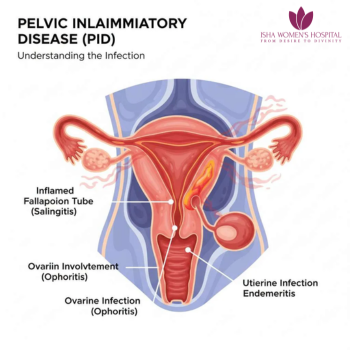
Pelvic inflammatory disease (PID) is a common but often underdiagnosed condition that can seriously impact a woman’s reproductive health.
It usually begins as a simple infection but can silently spread to the uterus, fallopian tubes, and ovaries, causing long-term damage if not treated early.
The concerning part is that many women may have mild or no symptoms, making awareness and timely diagnosis extremely important.
At Isha Women’s Hospital & IVF Centre, Dombivli, early detection and effective treatment help protect fertility and prevent complications.
Key Takeaways
- PID is an infection of the female reproductive organs
- Often caused by untreated sexually transmitted infections (STIs)
- Can lead to infertility, chronic pain, and ectopic pregnancy
- Symptoms may be mild or absent
- Early treatment prevents long-term complications
Understanding Pelvic Inflammatory Disease (PID)
What Is Pelvic Inflammatory Disease?
Pelvic inflammatory disease (PID) is an infection that affects the uterus, fallopian tubes, and ovaries.
It occurs when bacteria travel upward from the vagina and cervix into the reproductive organs.
This can lead to:
- Inflammation
- Scarring
- Permanent damage
PID is a serious but largely preventable condition when treated early.
How Does PID Develop?
PID develops when harmful bacteria enter through the cervix and spread to the upper reproductive tract.
This process involves:
- Initial infection in the lower genital tract
- Upward spread of bacteria
- Inflammation and tissue damage
Early-stage infections are easier to treat and less likely to cause long-term damage.
Causes of PID
Common Causes
The most common causes of PID are infections, especially sexually transmitted infections.
| Cause | Impact |
|---|---|
| Chlamydia & Gonorrhea | Most common causes |
| Untreated STIs | Spread infection upward |
| Multiple sexual partners | Increased exposure risk |
| Unprotected sex | Higher infection risk |
| Poor hygiene practices | Bacterial growth |
| Post-surgical infections | Risk after procedures |
Non-Sexually Transmitted Causes
PID can also develop without sexual transmission in some cases:
- After childbirth
- After abortion
- Following gynecological procedures (like IUD insertion or surgery)
- Rarely from normal vaginal bacteria
Symptoms of PID
Common Symptoms
Symptoms of PID can vary in severity.
Common signs include:
- Lower abdominal or pelvic pain
- Abnormal vaginal discharge
- Pain during intercourse
- Painful urination
- Irregular bleeding
- Fever
Silent PID – When Symptoms Are Absent
In many women, PID may cause mild or no symptoms.
However:
- Internal damage may still occur
- Scarring can develop silently
- Fertility may be affected without warning
Silent PID is a major cause of unexplained infertility.
Risks and Complications of PID
Impact on Fertility
PID can damage the fallopian tubes, leading to:
- Scarring and blockage
- Difficulty in sperm reaching the egg
- Reduced chances of natural conception
PID is one of the leading causes of tubal infertility.
Risk of Ectopic Pregnancy
Damaged fallopian tubes increase the risk of ectopic pregnancy.
- The fertilized egg may implant in the tube
- This can become a life-threatening condition
Chronic Pelvic Pain
Long-term inflammation can lead to:
- Persistent pelvic pain
- Adhesions and scar tissue
- Reduced quality of life
Other Complications
Additional complications may include:
- Recurrent infections
- Abscess formation
- Increased pregnancy complications
Diagnosis of PID
How PID Is Diagnosed
Doctors use a combination of clinical evaluation and tests:
| Test | Purpose |
|---|---|
| Pelvic exam | Detect tenderness or infection |
| Blood tests | Identify infection |
| Ultrasound | Assess reproductive organs |
| Swab tests | Detect STIs |
When to Seek Medical Help
You should consult a doctor if you experience:
- Persistent pelvic pain
- Fever with discharge
- Pain during intercourse
- Difficulty conceiving
Early diagnosis prevents complications.
Treatment of PID and Prevention & Fertility Care
Medical Treatment
PID is treated primarily with antibiotics.
- Early treatment prevents permanent damage
- Full course of medication is essential
- Sexual partners should also be treated
Advanced Treatment
In severe cases:
- Hospitalization may be required
- Surgery may be needed for abscess or complications
How to Prevent PID
Preventive measures include:
- Safe sexual practices
- Regular STI screening
- Early treatment of infections
- Maintaining proper hygiene
How Isha Women’s Hospital Helps
At Isha Women’s Hospital & IVF Centre, Dombivli, care includes:
- Early detection of infections
- Comprehensive fertility evaluation
- Treatment of PID-related complications
- Advanced IVF options when needed
Can Pelvic Inflammatory Disease (PID) Be Prevented?
Prevention Tips Every Woman Should Know
Pelvic inflammatory disease is largely preventable with the right precautions.
Key prevention strategies include:
- Practicing safe sex (use of protection)
- Regular STI screening, especially for sexually active women
- Limiting multiple sexual partners
- Early treatment of vaginal or urinary infections
- Avoiding self-medication without diagnosis
Sexually transmitted infections like chlamydia and gonorrhea are the leading causes of PID.
Early detection and treatment of these infections can prevent the spread to upper reproductive organs. Routine gynecological checkups play a crucial role in identifying infections before they cause long-term damage.
Fertility Chances After PID
Can You Still Get Pregnant After PID?
Yes, pregnancy is still possible after PID, but it depends on the severity of damage.
If treated early:
- Minimal or no damage
- Good chances of natural conception
If untreated or severe:
- Fallopian tube damage
- Reduced fertility
- Increased need for IVF
In some cases:
- One tube may still be functional
- Pregnancy may still occur naturally
For women with tubal damage, IVF offers a highly effective solution. Early diagnosis significantly improves fertility outcomes.
Long-Term Effects of Untreated PID and PID vs Other Pelvic Conditions
What Happens If PID Is Ignored?
Untreated PID can lead to serious long-term complications:
- Permanent damage to fallopian tubes
- Chronic pelvic pain
- Infertility
- Increased risk of ectopic pregnancy
- Recurrent infections
The longer the infection persists, the higher the risk of irreversible damage. This is why early treatment is critical.
Ignoring symptoms or delaying care can significantly impact future fertility.
Conditions That May Be Confused With PID
PID symptoms can overlap with other conditions, making diagnosis important.
| Condition | Difference |
|---|---|
| Endometriosis | Chronic condition, not infection |
| Appendicitis | Acute abdominal emergency |
| Urinary tract infection | Affects bladder, not reproductive organs |
| Ovarian cysts | Structural, not infectious |
Accurate diagnosis ensures correct treatment and prevents complications.
Frequently Asked Questions (FAQs)
1. What is the most common cause of pelvic inflammatory disease?
Ans - The most common causes are sexually transmitted infections, especially chlamydia and gonorrhea, which spread from the vagina to the reproductive organs.
2. Can PID go away on its own?
Ans - No, PID does not resolve on its own. It requires proper antibiotic treatment to prevent complications and long-term damage.
3. How long does it take to recover from PID?
Ans - Mild cases improve within a few days of treatment, but full recovery may take a few weeks depending on severity.
4. Can PID cause permanent infertility?
Ans - Yes, untreated PID can cause permanent damage to the fallopian tubes, leading to infertility.
5. What are the early signs of PID?
Ans - Early signs may include pelvic pain, abnormal discharge, pain during intercourse, and mild fever, though some women may have no symptoms.
6. Is PID contagious?
Ans - PID itself is not contagious, but the infections that cause it (like STIs) can be transmitted through sexual contact.
7. Can PID be detected in routine checkups?
Ans - Sometimes, but specific tests like pelvic exams, swabs, and imaging are usually required for diagnosis.
8. Can PID affect IVF success?
Ans - Yes, especially if it has caused tubal damage or uterine changes. Proper treatment improves IVF outcomes.
9. Should my partner be treated if I have PID?
Ans - Yes, treating sexual partners is essential to prevent reinfection.
10. Can PID recur after treatment?
Ans - Yes, especially if risk factors like untreated infections or unsafe sexual practices continue.