
Tubal Blockage: Causes and Fertility Impact
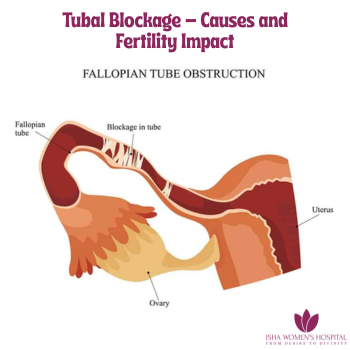
Many women trying to conceive are unaware that blocked fallopian tubes can silently affect fertility.
Fallopian tubes play a crucial role in natural conception, and even a partial blockage can prevent pregnancy or increase the risk of complications.
The challenge is that most women with tubal blockage have no symptoms at all, making early diagnosis extremely important.
At Isha Women’s Hospital & IVF Centre, Dombivli, advanced diagnostics and personalized treatment help identify and manage tubal factor infertility effectively.
Key Takeaways
- Fallopian tubes are essential for natural conception
- Blocked tubes prevent the sperm and egg from meeting
- Many women have no symptoms
- Early diagnosis improves fertility outcomes
- Treatment options include surgery or IVF
Understanding Fallopian Tubes
What Are Fallopian Tubes?
Fallopian tubes are two thin, delicate structures that connect the ovaries to the uterus.
They play a critical role in reproduction:
- They are the site where fertilization usually occurs
- They transport the egg from the ovary
- They help move the fertilized embryo to the uterus
Healthy fallopian tubes are essential for natural pregnancy.
What Is Tubal Blockage?
Tubal blockage refers to a partial or complete obstruction of one or both fallopian tubes.
This can prevent:
- Sperm from reaching the egg
- Fertilization from occurring
- The embryo from reaching the uterus
Blockage can affect one tube or both, significantly impacting fertility.
Causes of Tubal Blockage
Common Causes
Several conditions can damage or block the fallopian tubes:
| Cause | How It Affects Tubes |
|---|---|
| Pelvic inflammatory disease (PID) | Causes scarring |
| Sexually transmitted infections (STIs) | Damages lining |
| Endometriosis | Causes adhesions |
| Previous pelvic surgeries | Scar tissue formation |
| Genital tuberculosis | Severe tubal damage |
| Ectopic pregnancy | Structural damage |
Hydrosalpinx – A Special Type of Blockage
Hydrosalpinx is a condition where the fallopian tube becomes filled with fluid and blocked.
This fluid can:
- Be toxic to embryos
- Reduce implantation chances
- Lower IVF success rates
Treating hydrosalpinx before IVF significantly improves outcomes.
Symptoms of Blocked Fallopian Tubes
Why Symptoms Are Often Absent
Most women with tubal blockage feel completely normal.
There are usually:
- No pain
- No menstrual changes
- No obvious warning signs
Tubal blockage is often discovered only during fertility evaluation.
Possible Warning Signs
In some cases, symptoms may include:
- Difficulty conceiving
- Pelvic pain (especially with infection or endometriosis)
- Painful periods
- Abnormal vaginal discharge
How Tubal Blockage Affects Fertility
Impact on Natural Pregnancy
For natural conception:
- The egg must meet sperm in the fallopian tube
- Fertilization occurs inside the tube
If the tube is blocked:
- The egg and sperm cannot meet
- Pregnancy becomes difficult or impossible
Risk of Ectopic Pregnancy
Partial blockage increases the risk of ectopic pregnancy, where the embryo implants in the tube instead of the uterus.
This is a medical emergency and requires immediate treatment.
Impact on IVF Success
While IVF bypasses the fallopian tubes, certain conditions like hydrosalpinx can still affect success.
- Fluid leakage may harm embryos
- Implantation rates may decrease
Treating tubal issues before IVF improves success rates.
Diagnosis of Tubal Blockage
Tests Used to Diagnose
Doctors use several tests to evaluate tubal health:
| Test | Purpose |
|---|---|
| HSG (Hysterosalpingography) | Checks if tubes are open |
| Ultrasound | Detects hydrosalpinx |
| Laparoscopy | Gold standard diagnosis |
When to Get Tested
You should consider testing if:
- You have been trying to conceive for 1 year
- You have a history of infections or pelvic surgery
- You have had a previous ectopic pregnancy
Treatment Options
Can Tubal Blockage Be Treated?
Treatment depends on:
- Cause of blockage
- Severity
- Location of damage
Some cases can be treated, while others may require advanced fertility options.
Surgical Treatment
Surgical options include:
- Laparoscopic surgery
- Removal of adhesions
- Tubal repair
These may restore fertility in selected cases.
IVF – The Most Effective Solution
IVF (In Vitro Fertilization) is often the most effective treatment.
- Bypasses the fallopian tubes completely
- Allows fertilization outside the body
- Offers higher success rates
IVF is commonly recommended for severe tubal blockage.
Can Blocked Fallopian Tubes Be Prevented?
Prevention Tips for Tubal Health
While not all cases of tubal blockage can be prevented, certain steps can reduce the risk significantly.
Preventive measures include:
- Practicing safe sex to prevent sexually transmitted infections (STIs)
- Early treatment of pelvic infections
- Maintaining proper menstrual hygiene
- Avoiding unnecessary pelvic surgeries
- Regular gynecological checkups
Infections like PID (Pelvic Inflammatory Disease) are one of the leading causes of tubal damage. Early diagnosis and treatment of infections can prevent long-term complications.
Women with a history of pelvic infections or surgeries should consider early fertility evaluation.
Chances of Pregnancy With Tubal Blockage
Natural vs Assisted Pregnancy Chances
Pregnancy chances depend on whether one or both tubes are blocked.
If one tube is open:
- Natural pregnancy is still possible
- Ovulation must occur on the healthy side
If both tubes are blocked:
- Natural conception is not possible
- IVF becomes the most effective option
Success also depends on:
- Age
- Egg quality
- Overall reproductive health
Early diagnosis helps choose the right treatment and improves success rates.
When to Choose Surgery vs IVF and Emotional Impact of Tubal Infertility
How Doctors Decide the Best Treatment
Choosing between surgery and IVF depends on multiple factors:
Surgery may be considered when:
- Blockage is mild
- Tubes are repairable
- Patient is younger
IVF is preferred when:
- Both tubes are severely damaged
- Hydrosalpinx is present
- Previous surgery has failed
IVF often provides faster and more reliable results in complex cases.
Coping With Diagnosis and Treatment
Being diagnosed with tubal blockage can be emotionally challenging.
Couples may experience:
- Stress and anxiety
- Fear about future fertility
- Frustration due to delayed conception
It is important to:
- Seek counseling if needed
- Maintain open communication with your partner
- Trust the treatment process
With modern fertility treatments, many couples successfully conceive despite tubal blockage.
Frequently Asked Questions (FAQs)
1. What causes blocked fallopian tubes in women?
Ans - Blocked fallopian tubes are most commonly caused by infections like pelvic inflammatory disease (PID), sexually transmitted infections, endometriosis, previous surgeries, or conditions like genital tuberculosis.
2. Can you get pregnant naturally with blocked fallopian tubes?
Ans - Yes, if only one tube is blocked and the other is healthy, a natural pregnancy is possible. However, if both tubes are blocked, IVF is usually required.
3. How do doctors check if fallopian tubes are blocked?
Ans - Doctors use tests such as HSG (hysterosalpingography), ultrasound, and laparoscopy to check whether the tubes are open or blocked.
4. What are the symptoms of blocked fallopian tubes?
Ans - Most women have no symptoms. In some cases, there may be pelvic pain, painful periods, or difficulty conceiving.
5. Can blocked fallopian tubes be treated without surgery?
Ans - In some mild cases, treatment may not require surgery. However, severe blockages usually need surgical treatment or IVF.
6. Is IVF the best treatment for blocked tubes?
Ans - IVF is often the most effective treatment, especially when both tubes are blocked or severely damaged, as it bypasses the tubes completely.
7. What is a hydrosalpinx, and how does it affect fertility?
Ans - Hydrosalpinx is a condition where a fallopian tube is filled with fluid. This fluid can reduce implantation rates and negatively affect IVF success if not treated.
8. Can infections permanently damage fallopian tubes?
Ans - Yes, untreated infections can cause scarring and permanent damage, leading to tubal blockage and infertility.
9. Is surgery always successful in treating tubal blockage?
Ans - Surgery can help in selected cases, but success depends on the severity and location of the blockage. IVF may still be needed in some cases.
10. When should I see a doctor for tubal blockage?
Ans - You should consult a doctor if you have been trying to conceive for 12 months (or 6 months if over 35), or if you have a history of infections, surgery, or ectopic pregnancy.