
What Are Common Complications During Pregnancy
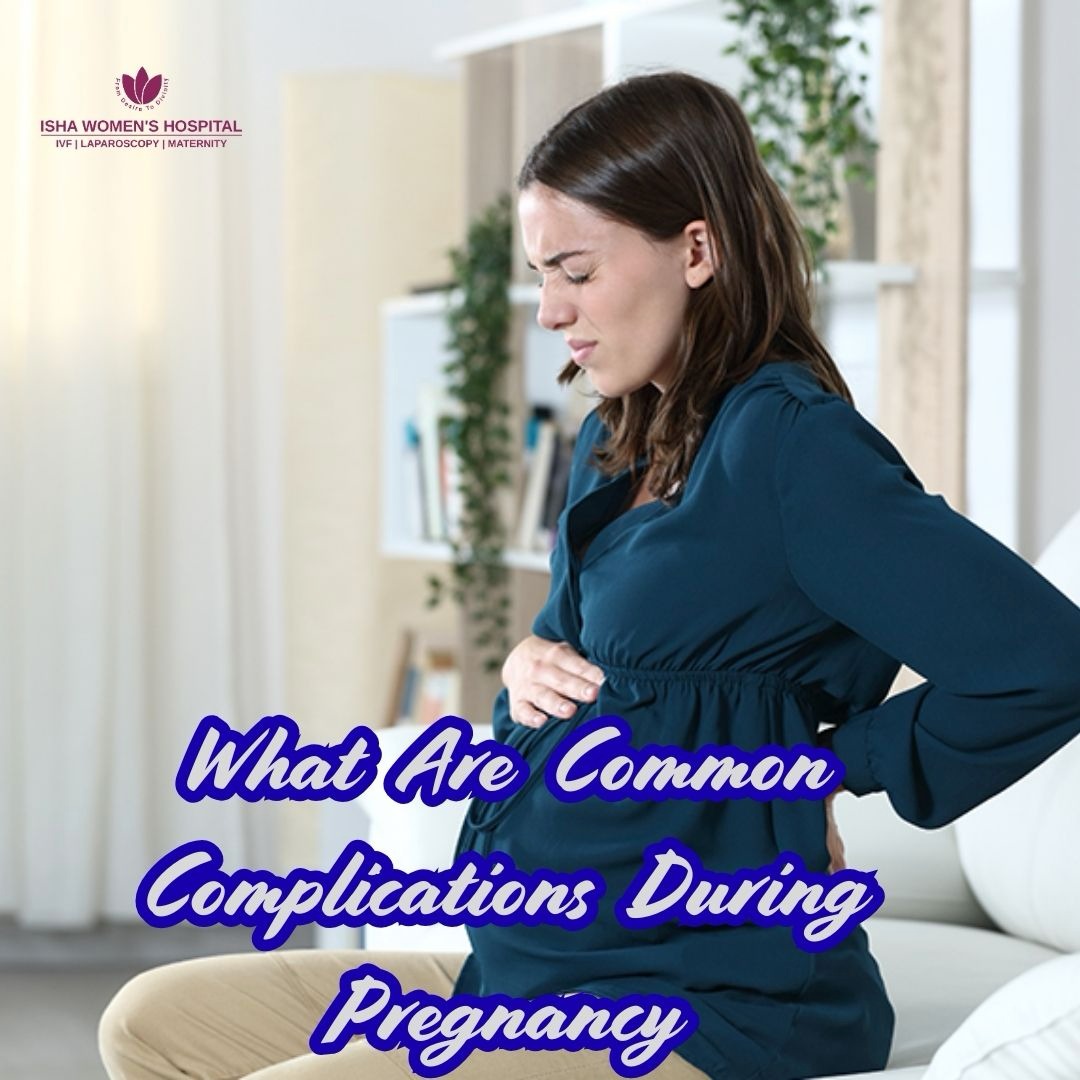
Pregnancy is a beautiful journey, but it also brings many changes to your body. While most pregnancies progress smoothly, some women may experience conditions known as pregnancy complications. These complications can affect the health of the mother, the baby, or both — but the good news is that most of them can be managed successfully with early detection, proper care, and expert medical guidance.
At Isha Women’s Hospital, the best maternity centre of Dombivali, under the trusted care of Dr Chinmay Pataki — one of the best, most experienced and compassionate gynaecologists and fertility specialists in Thane — patient safety always comes first. Our goal is to educate and empower every mom-to-be so she can recognize warning signs early and feel confident throughout her pregnancy journey.
By spreading awareness, we aim to ensure every expecting mother receives the right care at the right time — because a safe pregnancy starts with knowledge + expert medical support.
What Are Pregnancy Complications?
Pregnancy is a wonderful and transformative journey, but it also brings many changes to a woman’s body. These changes—physical, hormonal, and emotional—can sometimes lead to certain medical conditions known as pregnancy complications.
These complications can affect:
- The mother’s health,
- The baby’s growth and development,
- Or both.
Some complications may already exist before pregnancy—like thyroid disorders, diabetes, or hypertension—while others may develop during pregnancy, even in women who were previously healthy.
Early detection and timely care can prevent most complications from becoming serious. This is why regular antenatal checkups at a trusted centre like Isha Women’s Hospital are so important. Under the guidance of Dr Chinmay Pataki, one of Thane’s most experienced and compassionate gynecologists and pregnancy expert, mothers receive continuous monitoring to ensure a safe pregnancy from start to finish.
At Isha Women Hospital, the goal is simple:
Healthy mother, healthy baby, and a stress-free pregnancy journey.
Why Pregnancy Complications Happen
Pregnancy is a period of rapid change. Your body works extra hard to nourish and protect your growing baby. These changes are natural, but sometimes they can put extra strain on certain organs or systems, leading to complications.
Here are some common reasons why complications may occur:
Hormonal Changes: Hormones rise and fall dramatically during pregnancy. While hormones support baby’s growth, sudden or extreme changes may affect:
- Blood sugar levels
- Blood pressure
- Mood and energy
- Organ function
This is why regular monitoring helps identify early signs of issues.
Blood Pressure Fluctuations: Some women may experience rising blood pressure, especially after the 20th week. High blood pressure can affect the placenta and reduce oxygen supply to the baby.
Nutritional Deficiencies: Pregnancy increases the need for nutrients like iron, folic acid, calcium, and protein.
Lack of proper nutrition may lead to:
- Anemia
- Poor fetal growth
- Weakness and fatigue
- Increased risk of complications
Pre-Existing Medical Conditions: Health conditions like thyroid disorders, diabetes, PCOS, or hypertension can influence pregnancy.
But with expert care from Dr Chinmay Pataki, the high-risk pregnancy expert, even high-risk pregnancies can be managed safely and smoothly.
Most Common Pregnancy Complications
Pregnancy brings joy—but it also requires careful monitoring because certain health issues can arise unexpectedly. Understanding the most common complications helps mothers stay alert and seek timely care. At Isha Women’s Hospital, every expecting mother is closely monitored by Dr. Chinmay Pataki to ensure early detection and safe management of these conditions.
1. Gestational Diabetes: Gestational Diabetes Mellitus (GDM) occurs when blood sugar levels rise during pregnancy, usually after 24–28 weeks.
Symptoms to Watch For
- Excessive thirst
- Fatigue
- Frequent urination
- Sugar detected in a routine urine test
Some women may have no symptoms at all, which is why glucose screening at Isha Women’s Hospital is essential.
Why It Matters
If not controlled, GDM can:
- Increase the baby’s birth weight (macrosomia)
- Raise the chances of cesarean delivery
- Lead to birth complications
- Increase the mother’s future risk of type 2 diabetes
2. High Blood Pressure & Preeclampsia: High blood pressure (BP ≥140/90 mmHg) can occur at any point during pregnancy and is a major concern.
Common Symptoms
- Persistent headaches
- Swelling of face, hands, or feet
- Blurred vision
- Sudden weight gain
Understanding Pre-eclampsia- Preeclampsia is a dangerous condition involving:
- High BP
- Protein in urine
- Possible damage to kidneys, liver, and placenta
Why It’s Serious: Untreated preeclampsia can lead to:
- Eclampsia (seizures)
- Preterm delivery
- Growth restriction in the baby
3. Anemia: Anemia is very common during pregnancy due to increased iron demand.
Symptoms
- Tiredness or weakness
- Pale skin
- Dizziness
- Breathlessness
Why It Happens- Low iron, folic acid, or vitamin B12 levels can reduce hemoglobin.
Risk to Pregnancy- Untreated anemia may lead to:
- Preterm birth
- Low birth weight
- Excessive fatigue during labor
4. Thyroid Disorders: Pregnancy heavily affects the thyroid gland. Both hypothyroidism (low thyroid) and hyperthyroidism (overactive thyroid) can occur.
Why It’s Important: Thyroid hormones play a major role in the baby’s:
- Brain development
- Growth
- Metabolism
Symptoms
- Hypothyroid: fatigue, weight gain, cold intolerance, weight loss, anxiety, palpitations
5. Placenta Previa: Placenta previa occurs when the placenta lies too low and covers the cervix partially or completely.
Symptoms: Painless vaginal bleeding in the second or third trimester
Risks:
- Heavy bleeding
- Unsafe vaginal delivery
- Preterm birth
6. Preterm Labor: Preterm labor means labor that starts before 37 weeks.
Signs to Notice:
- Lower abdominal cramps
- Backache
- Frequent or regular contractions
- Pelvic pressure
- Fluid leakage or increased discharge
Risks:
- Premature birth
- Breathing or feeding problems for the baby
7. Hyperemesis Gravidarum: This is severe, persistent vomiting—much stronger than normal morning sickness.
Symptoms:
- Extreme nausea
- Inability to eat or drink
- Weight loss
- Dehydration
8. Miscarriage & Pregnancy Loss: A miscarriage is the loss of pregnancy before 20 weeks.
Symptoms:
- Heavy bleeding
- Severe cramps
- Passing tissue
Possible Causes:
- Chromosomal abnormalities
- Hormonal issues
- Infections
- Problems with the uterus
Less Common but Serious Complications
Though rare, these complications require immediate attention and expert medical management.
Ectopic Pregnancy: An ectopic pregnancy happens when the fertilized egg implants outside the uterus, commonly in the fallopian tube.
Symptoms:
- Sharp pelvic or abdominal pain
- Vaginal bleeding
- Shoulder pain
- Dizziness or fainting
Why It’s an Emergency: The growing embryo can cause the tube to rupture, leading to internal bleeding.
HELLP Syndrome
HELLP Syndrome: A rare but life-threatening condition related to severe preeclampsia.
HELLP stands for:
- Hemolysis
- Elevated Liver enzymes
- Low Platelets
Symptoms:
- Upper abdominal or liver pain
- Nausea or vomiting
- Severe headache
- High BP
This condition requires urgent hospitalization, which is available 24/7 at Isha Women’s Hospital.
Intrauterine Growth Restriction (IUGR)
Intrauterine Growth Restriction (IUGR): IUGR means the baby is not growing at the expected rate inside the womb.
Causes:
- High blood pressure
- Placental issues
- Smoking or poor nutrition
- Chronic maternal illness
Why It Matters: It may affect baby’s:
- Birth weight
- Oxygen levels
- Organ development
Importance of Antenatal Checkups
Antenatal checkups are the backbone of a healthy pregnancy. Regular visits help detect complications before symptoms even appear.
Why Antenatal Visits Matter
- Track mother’s blood pressure
- Check urine for protein, sugar, and infection
- Measure baby’s growth and heartbeat
- Monitor weight, swelling, and symptoms
- Review diet and supplements
- Ensure safe fetal development through ultrasounds
- Plan a safe and timely delivery
At Isha Women’s Hospital, each checkup with Dr. Chinmay Pataki is detailed, reassuring, and highly informative—so that mothers feel confident and protected throughout pregnancy.
How Isha Women’s Hospital Helps Expecting Mothers
Isha Women’s Hospital in Dombivali is one of the most trusted maternity hospitals, known for its advanced care, patient education, and high-risk pregnancy expertise.
Comprehensive Care for All Pregnancy Types
Isha Women's Hospital provides:
- Routine pregnancy care
- High-risk pregnancy management (diabetes, BP, thyroid, twins, IVF)
- In-house ultrasound & diagnostic services
- Personalized nutrition & supplement guidance
- State-of-the-art labor room
- 24/7 emergency support
Mothers feel safe knowing everything they need is available in one place.
Expert Guidance by Dr. Chinmay Pataki
Dr. Chinmay Pataki, one of the leading gynecologists and infertility specialists in Dombivli–Thane, is known for:
- Expertise in handling complicated pregnancies
- Advanced monitoring techniques
- A patient-centered, compassionate approach
- Quick decision-making during emergencies
- Ensuring safe deliveries and healthy babies
His calm, reassuring nature and high level of clinical experience make mothers feel supported at every step.
Pregnancy complications can sound scary, but remember — timely care can make all the difference. When you stay informed, attend regular checkups, and reach out whenever something feels unusual, you protect both your health and your baby’s.
At Isha Women’s Hospital, the best maternity centre of Dombivali led by Dr. Chinmay Pataki, we are committed to offering the highest standard of pregnancy care. From early screening to advanced monitoring, our team ensures you always feel supported, heard, and safe.
If you are planning pregnancy, already expecting, or simply want to understand your health better — we are here to guide you every step of the way.
Your pregnancy is precious. Let’s make it safe, healthy, and joyful — together.
Frequently Asked Questions (FAQs)
1. What is the most common pregnancy complication?
Ans - Gestational diabetes and hypertension are among the most common.
2. Can complications harm the baby?
Ans - Yes, if untreated — but early care reduces risk.
3. Are all high-risk pregnancies dangerous?
Ans - No — many are safely managed with proper monitoring.
4. Can I reduce the risk of complications?
Ans - Healthy lifestyle + regular prenatal visits significantly reduce risks.
5. How often should I visit the doctor during pregnancy?
Ans - Every 4 weeks initially, then every 2 weeks, then weekly near delivery.