
Dr. Chinmay Pataki Explains: When Period Problems Affect Future Fertility
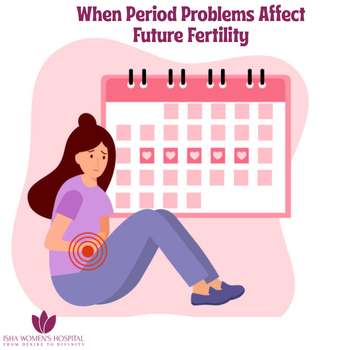
Irregular periods, painful cycles, or heavy bleeding are often dismissed as “normal.” But in reality, these symptoms can be early warning signs of underlying fertility problems.
Menstrual cycles are closely linked to ovulation, hormonal balance, and uterine health — all of which play a critical role in pregnancy.
According to Dr. Chinmay Pataki, leading fertility specialist at Isha Women’s Hospital & IVF Centre, Dombivli, understanding period changes early can help prevent long-term fertility challenges.
Your periods are not just about bleeding — they reflect your fertility health.
Key Takeaways
- Period problems are often early warning signs of fertility issues
- Ovulation health is directly linked to menstrual regularity
- Uterine health affects implantation and pregnancy success
- Ignoring symptoms today can delay pregnancy tomorrow
- Early diagnosis protects long-term fertility
Why Periods Matter More Than You Think
Periods Are a Monthly Health Report
Your menstrual cycle is one of the most important indicators of reproductive health.
A regular cycle usually suggests:
- Balanced hormones
- Proper ovulation
- Healthy uterine lining
On the other hand, changes in cycle length, flow, or pain may signal underlying issues such as hormonal imbalance or ovulation disorders.
Dr. Chinmay Pataki explains:
“Your periods are not just about bleeding — they reflect your fertility health.”
The Key Takeaway Explained
A simple but important concept:
Your periods today affect your pregnancy tomorrow.
Many fertility issues do not appear suddenly.
They often begin with subtle menstrual changes years earlier.
Ignoring these early signs can:
- Delay diagnosis
- Worsen underlying conditions
- Reduce fertility over time
Early awareness allows timely medical intervention and better outcomes.
Ovulation Health & Period Problems
How Ovulation Affects Fertility
Ovulation is the release of an egg from the ovary during each menstrual cycle.
For natural pregnancy to occur:
- Ovulation must happen regularly
- The egg must be healthy
- Hormones must be balanced
If ovulation does not occur (anovulation), pregnancy is not possible naturally.
Hormonal imbalances are one of the most common causes of ovulation problems.
Period Problems That Signal Ovulation Issues
Certain menstrual patterns can indicate ovulation-related problems:
| Symptom | Possible Issue |
|---|---|
| Irregular periods | Irregular ovulation |
| Missed periods | No ovulation (anovulation) |
| Very long cycles | Hormonal imbalance |
| Very short cycles | Poor egg development |
Recognizing these signs early can help identify fertility problems before they progress.
Common Causes of Ovulation Problems
Several medical and lifestyle factors can disrupt ovulation:
- Polycystic Ovary Syndrome (PCOS)
- Thyroid disorders
- High stress levels
- Sudden weight gain or loss
- Elevated prolactin levels
These conditions directly affect fertility and require proper evaluation and treatment.
Uterine Health & Period Changes
Why Uterine Health Matters for Pregnancy
Even if ovulation is normal, pregnancy depends on successful implantation.
The embryo must attach to the uterine lining, which needs to be:
- Healthy
- Well-prepared hormonally
- Adequately thick
A healthy uterine environment increases the chances of a successful pregnancy.
Period Signs Linked to Uterine Problems
Certain menstrual symptoms may indicate uterine conditions:
| Symptom | Possible Condition |
|---|---|
| Heavy bleeding | Fibroids / adenomyosis |
| Painful periods | Endometriosis |
| Spotting between periods | Hormonal imbalance / polyps |
| Clots during periods | Uterine lining issues |
These symptoms should not be ignored, especially if they are persistent.
Conditions That Affect the Uterus
Common conditions affecting uterine health include:
- Fibroids
- Adenomyosis
- Endometriosis
- Uterine polyps
These conditions can interfere with implantation and reduce pregnancy success rates if left untreated.
Period Problems You Should Never Ignore
Warning Signs That Need Medical Attention
Certain symptoms require prompt medical evaluation:
- Periods of absence for several months
- Severe pain affecting daily activities
- Heavy bleeding requiring frequent pad changes
- Long-term irregular cycles
- Pain during intercourse
These are not normal variations and may indicate underlying reproductive issues.
Early diagnosis helps prevent complications and protects fertility.
Early Diagnosis = Better Fertility Outcomes
Why Early Evaluation Is Important
Early evaluation allows doctors to:
- Detect problems before they worsen
- Restore ovulation
- Improve uterine health
- Increase chances of natural conception
Delaying evaluation may lead to more complex fertility issues later.
Tests That Help Evaluate Fertility Early
Doctors may recommend:
- AMH and AFC testing (ovarian reserve)
- Hormonal profile tests
- Ultrasound scans
- Thyroid function tests
These tests help identify the root cause of menstrual problems.
How Lifestyle Affects Periods and Fertility
Lifestyle Factors That Can Disrupt Your Menstrual Cycle
Lifestyle plays a major role in menstrual health and fertility.
Even small changes in daily habits can affect hormonal balance and ovulation.
Common lifestyle factors that impact periods include:
- Stress: High stress increases cortisol, which disrupts ovulation
- Weight changes: Both obesity and being underweight affect hormone levels
- Poor diet: Nutritional deficiencies can impact egg quality
- Lack of sleep: Irregular sleep cycles affect hormonal rhythm
- Excessive exercise: Overtraining can suppress ovulation
For example, women with very low body fat or extreme exercise routines may experience missed periods (amenorrhea).
Dr. Chinmay Pataki emphasizes that lifestyle correction is often the first step in restoring natural cycles.
Healthy lifestyle habits can improve both menstrual regularity and future fertility potential.
Can Period Problems Be Reversed?
Is It Possible to Normalize Irregular Periods?
Yes, many period problems can be treated and even reversed with proper medical care.
Treatment depends on the underlying cause:
- Hormonal imbalance → corrected with medication
- PCOS → managed with lifestyle + medical therapy
- Thyroid disorders → treated with hormone regulation
- Nutritional deficiencies → corrected with diet
In many cases, restoring regular ovulation leads to improved fertility outcomes.
Early diagnosis plays a key role in reversing menstrual irregularities.
The sooner treatment begins, the better the chances of preserving fertility.
Long-Term Risks of Ignoring Period Problems
What Happens If Period Problems Are Ignored? (200 words)
Ignoring menstrual problems can lead to long-term health and fertility complications.
Untreated conditions may result in:
- Chronic anovulation (no egg release)
- Infertility
- Endometrial thickening or abnormalities
- Progression of endometriosis
- Worsening PCOS symptoms
- Increased risk of metabolic disorders
For example, prolonged irregular cycles may lead to hormonal imbalance affecting the uterine lining, which can impact implantation later.
What starts as a “minor period issue” can gradually become a complex fertility problem.
Early medical attention helps prevent these complications and protects reproductive health.
How Isha Women’s Hospital Helps
Comprehensive Period & Fertility Evaluation
At Isha Women’s Hospital & IVF Centre, Dombivli, evaluation includes:
- Detailed menstrual history
- Ovulation tracking
- Uterine assessment
- Personalized diagnosis
Each patient receives a structured fertility evaluation.
Fertility-Focused Treatment Approach
Treatment is designed to address the root cause.
Approach includes:
- Managing PCOS, thyroid disorders, or hormonal imbalance
- Restoring ovulation
- Improving uterine health
- Preventing future fertility complications
This proactive approach helps preserve fertility long-term.
Frequently Asked Questions (FAQs)
1. Can irregular periods affect future fertility?
Ans - Yes, irregular periods can affect fertility because they often indicate problems with ovulation. If ovulation does not occur regularly, the chances of pregnancy decrease. However, many underlying causes can be treated, improving fertility outcomes with proper medical care.
2. Do missed periods always mean infertility?
Ans - No, missed periods do not always mean infertility. They may be caused by stress, hormonal imbalance, or lifestyle changes. However, frequent missed periods can indicate ovulation problems, which should be evaluated early.
3. Can painful periods be a sign of fertility problems?
Ans - Yes, severe or worsening period pain may be linked to conditions like endometriosis or adenomyosis, which can affect fertility. Mild cramps are common, but pain that interferes with daily life should not be ignored.
4. Are heavy periods harmful for getting pregnant?
Ans - Heavy periods can sometimes indicate underlying conditions such as fibroids, hormonal imbalance, or adenomyosis. These conditions may affect implantation and pregnancy, so evaluation is important if bleeding is excessive.
5. How do periods relate to ovulation?
Ans - Periods are directly linked to ovulation. A regular menstrual cycle usually indicates that ovulation is occurring normally. Irregular cycles may suggest that ovulation is inconsistent or absent, which can impact fertility.
6. When should I worry about irregular periods?
Ans - You should consult a doctor if:
- Periods are absent for several months
- Cycles are consistently irregular
- Bleeding is very heavy or prolonged
- Pain is severe
Early evaluation helps prevent future fertility complications.
7. Can period problems be treated to improve fertility?
Ans - Yes, most period problems can be treated once the underlying cause is identified. Treatments may include hormonal therapy, lifestyle changes, or management of conditions like PCOS or thyroid disorders, which can restore ovulation and improve fertility.
8. Do regular periods guarantee fertility?
Ans - No, regular periods do not guarantee fertility, but they are a positive sign of normal ovulation. Other factors like egg quality, sperm health, and uterine condition also play a role in achieving pregnancy.
9. Can stress cause period problems and affect fertility?
Ans - Yes, high stress levels can disrupt hormonal balance and affect ovulation, leading to irregular or missed periods. Managing stress through lifestyle changes can help restore cycle regularity and improve fertility.
10. How early should I get my periods checked for fertility concerns?
Ans - It is advisable to seek medical evaluation if you notice persistent irregularities or if you are planning pregnancy after age 30. Early testing helps detect problems sooner and improves chances of successful conception.