
What Patients With Endometriosis Wish They Had Known Earlier
For many women, the journey to an endometriosis diagnosis is far longer than it should be.
What often begins as bad period pain can slowly evolve into years of chronic pelvic pain, missed workdays, emotional stress, fertility struggles, and repeated visits to doctors before answers are finally found.
One of the most common things women say after receiving an endometriosis diagnosis is:
I wish I had known this earlier.
They wish they had known that severe period pain is not normal.
They wish they had known that painful intercourse, fatigue, bowel symptoms, and fertility difficulties could all be connected.
Most importantly, they wish someone had told them that they did not have to simply live with the pain.
At Isha Women's Hospital & IVF Centre, Dombivli, Dr. Chinmay Pataki frequently evaluates women who have struggled with symptoms for years before receiving the right diagnosis.
The reality is that early recognition and treatment of endometriosis can make a significant difference to quality of life, fertility planning, and long-term health outcomes.
This guide shares the most important lessons women with endometriosis often wish they had known sooner.
Key Takeaways
- Endometriosis is more than just painful periods.
- Many women experience years of delayed diagnosis.
- Early treatment may help reduce complications and improve quality of life.
- Endometriosis can affect fertility, but many women still achieve successful pregnancies.
- Persistent pelvic pain should never be considered normal.
- Awareness and early intervention can lead to better long-term outcomes.
Understanding Endometriosis Earlier Could Change Everything
What Is Endometriosis?
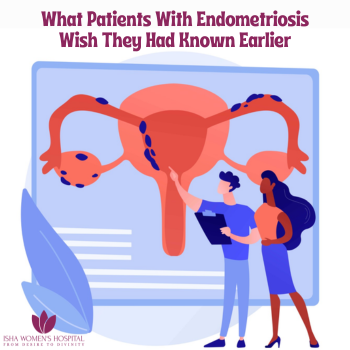
Endometriosis is a chronic gynecological condition in which tissue similar to the lining of the uterus grows outside the uterus.
Common locations include:
- Ovaries
- Fallopian tubes
- Pelvic lining
- Ligaments supporting the uterus
- Bladder
- Bowel
Each month, this tissue responds to hormonal changes just like the uterine lining.
However, because it cannot leave the body normally, it causes:
- Inflammation
- Scarring
- Adhesions
- Chronic pain
One of the most confusing aspects of endometriosis is that symptom severity does not always match disease severity.
Some women with advanced disease have minimal symptoms, while others with milder disease experience debilitating pain.
Many women wish they had known that severe period pain is not simply part of being a woman.
Why Endometriosis Often Goes Undiagnosed for Years
Globally, women often wait years before receiving a diagnosis.
Several factors contribute to this delay:
- Symptoms are normalized by family and friends
- Pain is dismissed as just bad periods
- Symptoms overlap with digestive disorders
- Women learn to cope rather than seek help
- Awareness remains limited
Many women adapt their lives around pain without realizing that what they are experiencing is not normal.
Earlier awareness could lead to earlier treatment and prevent years of unnecessary suffering.
One of the biggest regrets many patients express is waiting too long to seek specialist care.
Symptoms Women Wish They Had Taken More Seriously
Severe Period Pain Is Not Always Normal
Painful periods are common.
Debilitating periods are not.
The following symptoms should prompt medical evaluation:
| Symptom | Possible Warning Sign |
|---|---|
| Cramping that disrupts daily life | Endometriosis |
| Missing school or work due to pain | Possible severe disease |
| Pain not relieved by medication | Requires evaluation |
| Worsening pain over time | Disease progression |
Many women with endometriosis recall planning their lives around their menstrual cycle.
Some avoid social activities.
Others miss important events, workdays, or academic commitments.
Pain that consistently affects daily functioning deserves medical attention.
If your periods control your life, it may be time to investigate why.
Chronic Pelvic Pain Outside Menstruation
Another common misconception is that endometriosis only causes pain during periods.
Many women experience:
- Pelvic pain throughout the month
- Lower abdominal discomfort
- Pressure sensations
- Back pain
- Hip pain
Persistent pelvic pain can affect:
- Exercise
- Sleep
- Work performance
- Mental health
Women often wish they had realized earlier that ongoing pelvic pain is not a normal part of life.
Pain During Intercourse, Bowel Movements, or Urination
These symptoms are frequently overlooked.
Women may feel embarrassed discussing them or assume they are unrelated.
Pain may occur:
- During intercourse
- During bowel movements
- During urination
- Around menstruation
- Throughout the cycle
These symptoms may suggest deeper endometriosis involvement and should always be discussed with a gynecologist.
Many patients say this was one symptom they ignored for years before receiving a diagnosis.
The Hidden Impact of Endometriosis
Endometriosis Affects More Than Physical Health
The impact of endometriosis extends far beyond pelvic pain.
| Area Affected | Possible Impact |
|---|---|
| Mental health | Anxiety and depression |
| Relationships | Emotional stress |
| Career | Reduced productivity |
| Social life | Missed activities |
| Sleep | Chronic fatigue |
Many women feel isolated because their symptoms are invisible to others.
Living with chronic pain can affect confidence, emotional wellbeing, and overall quality of life.
The emotional burden of endometriosis deserves just as much attention as the physical symptoms.
Fatigue and Exhaustion Are Common Symptoms
Fatigue is one of the most under-recognized symptoms of endometriosis.
Women often describe:
- Persistent tiredness
- Low energy
- Poor concentration
- Mental exhaustion
Contributors include:
- Chronic inflammation
- Pain-related sleep disruption
- Stress
- Hormonal changes
Fatigue should never be dismissed simply as being busy or stressed.
Getting the Right Diagnosis
Why Diagnosis Can Be Challenging
Endometriosis is often called the great imitator because symptoms resemble many other conditions.
Diagnosis may be delayed because:
- Symptoms vary widely
- Pain tolerance differs between individuals
- Imaging may not detect all disease
- Some women have minimal symptoms
This is why evaluation by a gynecologist experienced in endometriosis is important.
Many patients wish they had sought specialist care much earlier in their journey.
Tests Used to Evaluate Endometriosis
Diagnosis often involves a combination of clinical assessment and investigations.
| Diagnostic Tool | Purpose |
|---|---|
| Pelvic examination | Assess tenderness |
| Ultrasound | Detect ovarian cysts |
| MRI | Evaluate extensive disease |
| Laparoscopy | Confirm diagnosis |
No single test is perfect.
A comprehensive assessment is often required.
Treatment Options Women Wish They Had Known About Earlier
Medical Management of Endometriosis
Treatment depends on symptoms, age, fertility goals, and disease severity.
Options may include:
- Pain-relieving medications
- Hormonal therapy
- Birth control pills
- Progesterone-based treatment
- Individualized symptom management
Many women wish they had learned earlier that treatment options exist beyond simply taking painkillers every month.
When Surgery May Be Recommended
Surgery may be considered when:
- Pain remains severe despite treatment
- Endometriomas are present
- Fertility is affected
- Disease involves surrounding organs
Modern minimally invasive surgery aims to remove disease while preserving reproductive function whenever possible.
Lifestyle Changes That May Help Manage Symptoms
Lifestyle modifications cannot cure endometriosis but may help improve overall wellbeing.
Helpful strategies include:
- Regular exercise
- Anti-inflammatory nutrition
- Adequate sleep
- Stress reduction
- Maintaining a healthy weight
Many women report improvements when lifestyle changes complement medical treatment.
Questions Patients Wish They Had Asked Earlier
Should I See an Endometriosis Specialist?
Many women are diagnosed only after consulting a specialist with experience managing complex pelvic pain conditions.
Specialist care may provide:
- More accurate diagnosis
- Advanced imaging evaluation
- Fertility-focused planning
- Comprehensive treatment options
Early expert evaluation can significantly shorten the diagnostic journey.
How Will Endometriosis Affect My Future Fertility?
The answer varies between individuals.
Important factors include:
- Age
- Ovarian reserve
- Disease severity
- Presence of endometriomas
- Previous surgery
Regular monitoring and fertility counseling can help guide future family planning decisions.
What Symptoms Should Prompt Immediate Evaluation?
Seek medical evaluation if you experience:
- Severe pelvic pain
- Rapid symptom progression
- Persistent ovarian cysts
- Difficulty conceiving
- Significant disruption to daily life
The earlier the symptoms are investigated, the more options may be available.
Endometriosis Care at Isha Women's Hospital & IVF Centre
Comprehensive Endometriosis Evaluation
At Isha Women's Hospital & IVF Centre, Dombivli, women receive:
- Detailed symptom assessment
- Advanced pelvic imaging
- Menstrual health evaluation
- Fertility assessment when required
- Individualized treatment planning
Fertility-Focused Endometriosis Management
Under the guidance of Dr. Chinmay Pataki, care is designed to address both symptom relief and future reproductive goals.
Treatment planning may include:
- Fertility counseling
- Ovarian reserve assessment
- Endometriosis management
- Fertility preservation discussions
- IVF and advanced reproductive treatment when indicated
This patient-centered approach helps women manage symptoms while protecting fertility whenever possible.
The Earlier You Know, The Better You Can Act
If there is one lesson that women with endometriosis repeatedly share, it is this:
Do not ignore persistent pain.
Severe menstrual pain, chronic pelvic discomfort, painful intercourse, bowel symptoms, and fertility concerns are not things you simply have to live with.
The earlier endometriosis is recognized, the sooner treatment options can be explored.
Early diagnosis can improve:
- Quality of life
- Symptom control
- Fertility planning
- Emotional wellbeing
One of the biggest lessons from endometriosis patients is that persistent pain is not normal—and seeking help early can change everything.
Frequently Asked Questions (FAQs)
1. How do I know if my period pain could be endometriosis?
Ans - Many women with endometriosis initially think they simply have bad periods.
However, period pain may need evaluation if:
- Pain causes you to miss work, school, or social activities
- Pain starts before your period and continues after it ends
- Pain is worsening every year
- Over-the-counter painkillers provide little relief
- Pain affects your daily quality of life
Severe menstrual pain is not something you should simply accept as normal. An evaluation by a gynecologist can help identify whether endometriosis or another condition may be responsible.
2. Can you have endometriosis even if your ultrasound is normal?
Ans - Yes.
A normal ultrasound does not completely rule out endometriosis.
While ultrasound can detect conditions such as ovarian endometriomas (endometriosis cysts), smaller lesions and superficial disease may not be visible on imaging.
This is why diagnosis often relies on:
- Detailed symptom history
- Clinical examination
- Expert ultrasound evaluation
- MRI in selected cases
- Laparoscopy when necessary
Women with persistent symptoms should seek specialist evaluation even if previous scans appear normal.
3. Does endometriosis always cause infertility?
Ans - No.
Many women with endometriosis conceive naturally and go on to have healthy pregnancies.
However, endometriosis can reduce fertility by:
- Causing inflammation
- Affecting egg quality
- Creating scar tissue
- Distorting pelvic anatomy
- Affecting implantation
The impact varies from person to person, which is why individualized fertility assessment is important.
4. At what age does endometriosis usually start?
Ans - Symptoms often begin during the teenage years or early 20s.
Unfortunately, many women are told their symptoms are normal and may not receive a diagnosis until their late 20s, 30s, or even later.
Early symptoms commonly include:
- Painful periods
- Heavy bleeding
- Pelvic pain
- Digestive symptoms around menstruation
Early recognition can significantly reduce delays in diagnosis.
5. Can endometriosis get worse if left untreated?
Ans - In some women, yes.
Endometriosis may progress over time and lead to:
- Increased pelvic pain
- More extensive scar tissue
- Endometriomas (ovarian cysts)
- Fertility challenges
- Chronic inflammation
However, progression varies between individuals.
Regular monitoring and timely treatment help reduce the risk of complications.
6. What is the difference between endometriosis and adenomyosis?
Ans - Although both conditions involve tissue similar to the uterine lining, they affect different areas.
| Condition | Location |
|---|---|
| Endometriosis | Outside the uterus |
| Adenomyosis | Within the uterine muscle |
Both conditions may cause:
- Heavy periods
- Severe menstrual pain
- Fertility problems
- Pelvic discomfort
Many women actually have both conditions simultaneously.
7. Can endometriosis cause bowel or bladder symptoms?
Ans - Yes.
Endometriosis can sometimes affect tissues near the bowel or bladder.
Symptoms may include:
- Pain during bowel movements
- Pain during urination
- Constipation
- Diarrhea during periods
- Bloating
- Rectal pain
These symptoms are often mistaken for gastrointestinal conditions, leading to delayed diagnosis.
8. When should I consider seeing an endometriosis specialist?
Ans - You should consider specialist evaluation if you experience:
- Severe period pain
- Chronic pelvic pain
- Pain during intercourse
- Recurrent ovarian cysts
- Difficulty conceiving
- Symptoms that continue despite treatment
Specialists often have greater experience recognizing complex or subtle forms of endometriosis.
9. What treatment options are available for endometriosis?
Ans - Treatment depends on:
- Symptom severity
- Age
- Fertility goals
- Disease extent
Options may include:
- Pain management medications
- Hormonal therapy
- Oral contraceptive pills
- Progesterone treatment
- Laparoscopic surgery
- Fertility treatment such as IVF when necessary
Treatment is individualized because no single approach works for every patient.
10. Can women with endometriosis still have successful pregnancies?
Ans - Absolutely.
Many women with endometriosis:
- Conceive naturally
- Conceive after medical treatment
- Conceive following laparoscopic surgery
- Achieve pregnancy through IVF
The key is early diagnosis, appropriate treatment, and fertility-focused planning when needed.
At Isha Women's Hospital & IVF Centre, Dombivli, Dr. Chinmay Pataki and his team regularly help women with endometriosis navigate both symptom management and fertility planning to improve their chances of achieving a healthy pregnancy.