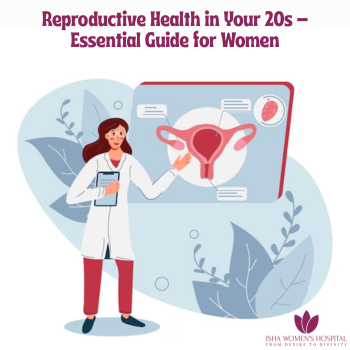
Reproductive Health in Your 20s: Essential Guide for Women
Your 20s are often seen as a decade of opportunity, independence, career growth, and personal milestones.
However, it is also one of the most important decades for building a strong foundation for lifelong reproductive health.
Many women assume reproductive health only becomes important when they are ready to have children.
The reality is very different.
Your menstrual cycle, hormone balance, sexual health, fertility potential, and preventive healthcare choices during your 20s can influence your health for years to come.
This is also the decade when common conditions such as PCOS, endometriosis, thyroid disorders, ovarian cysts, and menstrual irregularities often first appear.
Unfortunately, many women ignore symptoms because they believe they are too young to have reproductive health concerns.
At Isha Women’s Hospital & IVF Centre, Dombivli, Dr. Chinmay Pataki and the team frequently see women who wish they had understood certain reproductive health warning signs earlier.
The good news is that awareness, preventive care, and healthy lifestyle choices can help protect both your current health and future fertility.
Key Takeaways
- Your 20s are a critical decade for reproductive health.
- Regular gynecological checkups help detect problems early.
- Understanding your menstrual cycle can reveal important health clues.
- Fertility is generally highest during the 20s, but fertility disorders can still occur.
- Healthy lifestyle habits support hormone balance and future fertility.
- Preventive screenings and vaccinations play a major role in long-term reproductive wellness.
Why Reproductive Health Matters in Your 20s
Understanding Reproductive Health Beyond Pregnancy
When people hear the term reproductive health, they often think only about pregnancy.
In reality, reproductive health includes much more.
It involves:
- Menstrual health
- Hormonal balance
- Sexual wellness
- Fertility potential
- Gynecological health
- Preventive screening
Your reproductive system influences many aspects of your overall well-being.
Hormonal imbalances can affect:
- Energy levels
- Mood
- Weight management
- Skin health
- Sleep quality
Reproductive health is not just about having children. It is a key part of your overall health.
Why Your 20s Are a Critical Decade for Reproductive Health
The reproductive system is generally functioning at its peak during the 20s.
This makes it an ideal time to understand how your body works and recognize when something is not normal.
Many reproductive conditions begin during this decade, including:
Healthy habits established now often influence future fertility, pregnancy outcomes, and hormonal health.
The choices you make in your 20s can affect your reproductive health for decades.
Understanding Your Menstrual Cycle
What a Healthy Menstrual Cycle Looks Like
Your menstrual cycle is often referred to as a monthly report card for reproductive health.
While every woman is different, a healthy cycle generally follows certain patterns.
| Menstrual Factor | Normal Range |
|---|---|
| Cycle Length | 21–35 days |
| Period Duration | 2–7 days |
| Flow | Light to moderate |
| Pain | Mild discomfort |
Tracking your Menstrual cycle can help you identify changes early.
Many women now use mobile apps to monitor:
- Cycle length
- Flow patterns
- Symptoms
- Ovulation timing
Understanding your normal cycle makes it easier to recognize potential health problems.
When Period Changes Should Not Be Ignored
Certain menstrual symptoms deserve medical attention.
These include:
- Extremely heavy bleeding
- Severe menstrual pain
- Bleeding between periods
- Missing periods frequently
- Sudden cycle changes
Many women normalize painful periods.
However, severe pain is often a sign of an underlying condition rather than something you simply need to tolerate.
Persistent menstrual abnormalities should always be evaluated by a gynecologist.
Common Reproductive Health Conditions in Your 20s
Polycystic Ovary Syndrome (PCOS)
PCOS is one of the most common hormonal disorders affecting women of reproductive age.
It can affect:
- Ovulation
- Menstrual cycles
- Hormonal balance
- Future fertility
Common symptoms include:
- Irregular periods
- Weight gain
- Acne
- Excess facial hair
- Difficulty ovulating
Early diagnosis is important because untreated PCOS may increase the risk of:
- Infertility
- Diabetes
- Metabolic syndrome
- Pregnancy complications later in life
Many women with PCOS can successfully manage symptoms and protect fertility with early treatment.
Endometriosis: A Common Yet Often Missed Condition
Endometriosis occurs when tissue similar to the uterine lining grows outside the uterus.
This condition can cause:
- Severe period pain
- Chronic pelvic pain
- Pain during intercourse
- Fertility difficulties
Unfortunately, many women spend years believing their symptoms are normal.
Early diagnosis can significantly improve quality of life and help preserve fertility.
Severe period pain is never something that should simply be ignored.
Ovarian Cysts and Their Impact on Reproductive Health
Ovarian cysts are common in women during their reproductive years.
Most cysts are harmless and resolve naturally.
However, some may require monitoring or treatment.
Symptoms can include:
- Pelvic pain
- Irregular periods
- Bloating
- Discomfort during activity
Regular gynecological evaluations help determine whether a cyst requires intervention.
Sexual and Reproductive Wellness
Understanding Safe Sexual Health Practices
Sexual health is an important part of overall reproductive wellness.
Safe sexual practices help prevent:
- Sexually transmitted infections (STIs)
- Unplanned pregnancies
- Reproductive complications
Important aspects include:
- Condom use
- STI screening
- Open communication with healthcare providers
- Routine reproductive health checkups
Many infections can affect fertility if left untreated.
Contraception Options Every Woman Should Know About
Modern contraception offers several safe and effective choices.
| Method | Effectiveness |
|---|---|
| Birth Control Pills | High |
| Copper IUD | Very High |
| Hormonal IUD | Very High |
| Condoms | Moderate to High |
| Injectable Contraception | High |
The best option depends on:
- Lifestyle
- Medical history
- Future pregnancy plans
Professional counseling helps women choose the most suitable method.
Fertility Awareness in Your 20s
Understanding Fertility During Your 20s
Fertility is generally highest during the 20s.
However, age alone does not guarantee fertility.
Several conditions can affect fertility even in young women.
Examples include:
- PCOS
- Endometriosis
- Tubal blockage
- Hormonal disorders
- Genetic conditions
Understanding fertility early allows women to make informed decisions about future family planning.
Can Young Women Have Fertility Problems?
Yes.
Many fertility disorders begin during the 20s.
Warning signs include:
- Irregular ovulation
- Severe menstrual pain
- Recurrent ovarian cysts
- Previous pelvic infections
- Family history of reproductive disorders
Early evaluation often prevents future fertility challenges.
When to Discuss Fertility Concerns With a Specialist
You should consider a fertility consultation if you experience:
- Irregular periods
- Difficulty ovulating
- Recurrent miscarriages
- Family history of infertility
- Endometriosis
- PCOS
Seeking advice does not mean you need treatment immediately.
It simply provides clarity about your reproductive health.
Lifestyle Habits That Support Reproductive Health
Nutrition and Reproductive Wellness
Good nutrition plays a major role in hormone regulation.
Important nutrients include:
| Nutrient | Benefit |
|---|---|
| Iron | Supports menstrual health |
| Folate | Essential for future pregnancy |
| Vitamin D | Hormonal balance |
| Protein | Supports reproductive function |
A balanced diet supports:
- Ovulation
- Hormone production
- Fertility
- Energy levels
Exercise, Weight Management & Hormonal Balance
Regular physical activity helps maintain healthy hormone function.
Benefits include:
- Better insulin sensitivity
- Improved ovulation
- Healthy weight management
- Reduced inflammation
Both obesity and extreme weight loss can negatively affect reproductive health.
How Stress Affects Reproductive Health
Chronic stress affects:
- Hormone regulation
- Sleep quality
- Menstrual cycles
- Ovulation
Stress management strategies may include:
- Exercise
- Meditation
- Counseling
- Adequate sleep
Mental health and reproductive health are closely connected.
Preventive Care Every Woman in Her 20s Needs
Importance of Regular Gynecological Checkups
Routine gynecological visits help identify concerns before they become serious.
Benefits include:
- Menstrual health evaluation
- Hormonal assessment
- Contraception counseling
- Fertility discussions
- Early disease detection
Prevention is often easier than treatment.
Cervical Cancer Screening and HPV Prevention
Cervical cancer is one of the most preventable cancers.
Important preventive measures include:
| Screening | Purpose |
|---|---|
| Pap Smear | Detect abnormal cervical cells |
| HPV Vaccine | Prevent HPV-related cancers |
Regular screening saves lives through early detection.
STI Screening and Prevention
Many sexually transmitted infections cause no symptoms initially.
Untreated infections can lead to:
- Pelvic inflammatory disease
- Tubal damage
- Infertility
Regular screening is important for sexually active women.
Reproductive Health Care at Isha Women’s Hospital
Comprehensive Women’s Health Services
At Isha Women’s Hospital & IVF Centre, Dombivli, women have access to:
- Routine gynecological care
- Menstrual disorder management
- PCOS evaluation
- Endometriosis care
- Contraceptive counseling
- Fertility assessment
The focus is on both preventive care and long-term reproductive wellness.
Personalized Reproductive Health Guidance
Every woman’s reproductive journey is unique.
The team provides:
- Individualized care plans
- Fertility awareness counseling
- Preventive screenings
- Hormonal health evaluation
- Long-term reproductive health support
Under the guidance of Dr. Chinmay Pataki, care is tailored to each woman’s health goals, future fertility plans, and overall well-being.
Investing in Reproductive Health Early Matters
Your 20s are one of the most important decades for reproductive health.
Understanding your menstrual cycle, recognizing abnormal symptoms, maintaining a healthy lifestyle, and attending regular gynecological checkups can have lasting benefits.
Many reproductive health conditions are easier to manage when detected early.
Taking a proactive approach today may help protect fertility, prevent complications, and support lifelong wellness.
The choices you make in your 20s can have a lasting impact on your reproductive health and future fertility.
At Isha Women’s Hospital & IVF Centre, Dombivli, women receive compassionate, evidence-based care designed to support reproductive health at every stage of life.
Frequently Asked Questions (FAQs)
1. How often should women in their 20s visit a gynecologist?
Ans - Most women benefit from annual gynecological checkups or more frequently if symptoms arise.
2. Is it normal to have irregular periods in your 20s?
Ans - Occasional irregularities may occur, but persistent irregular cycles should be evaluated.
3. Can PCOS affect fertility later in life?
Ans - Yes. PCOS can interfere with ovulation, but many women successfully conceive with appropriate treatment.
4. Should I think about fertility in my 20s?
Ans - Yes. Understanding fertility early helps women make informed future reproductive decisions.
5. Why is the HPV vaccine important?
Ans - The HPV vaccine helps reduce the risk of cervical cancer and other HPV-related diseases.
6. Can endometriosis affect fertility?
Ans - Yes. Endometriosis may affect egg quality, implantation, and reproductive function.
7. What period symptoms should never be ignored?
Ans - Severe pain, heavy bleeding, missed periods, and bleeding between periods require evaluation.
8. Can lifestyle choices affect future fertility?
Ans - Yes. Nutrition, sleep, exercise, smoking, alcohol, and stress all influence reproductive health.
9. Do ovarian cysts always need treatment?
Ans - No. Many ovarian cysts resolve naturally, but some require monitoring or treatment.
10. When should I seek fertility advice?
Ans - If you have irregular ovulation, reproductive disorders, or concerns about future fertility, early consultation can be beneficial.