
What Are Fallopian Tubes and Why Are They Important for Pregnancy
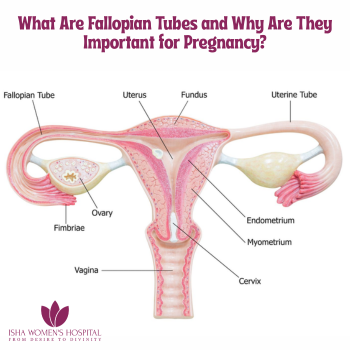
If you are trying to get pregnant, you may hear your doctor talk about your fallopian tubes and wonder why these small structures matter so much.
The tubes play a key role in natural conception, and problems such as blockage, scarring, or hydrosalpinx can make pregnancy more difficult.
Key Takeaways
- Fallopian tubes are reproductive structures that connect the uterus with the areas around the ovaries.
- They provide the usual place where the egg and sperm meet and fertilization occurs.
- A blocked or damaged tube can make natural conception difficult.
- Many women with blocked fallopian tubes have no obvious symptoms.
- Pelvic infections, endometriosis, previous surgery, and other conditions can damage the tubes.
- HSG and other tests can help determine whether the tubes are open.
- One healthy tube may be enough for natural conception in some women.
- IVF can bypass the fallopian tubes when tubal disease makes natural conception difficult.
- Hydrosalpinx deserves particular attention because it may affect IVF outcomes.
- The right treatment depends on the location and severity of tubal disease and the fertility factors affecting both partners.
What Are Fallopian Tubes?
What Exactly Are Fallopian Tubes?
The fallopian tubes are two narrow reproductive structures extending from the upper uterus toward the ovaries.
Most women have one tube on each side.
They are not simply empty pipes.
The inside of the tubes contains specialized cells and structures that help move the egg, sperm, and early embryo during natural conception.
| Reproductive Structure | Main Role |
|---|---|
| Ovary | Releases an egg |
| Fallopian tube | Helps transport the egg and is usually where fertilization occurs |
| Uterus | Supports embryo implantation and pregnancy |
| Cervix | Connects the uterus with the vagina |
After ovulation, the tube helps pick up the released egg.
If sperm reaches the egg and fertilization occurs, the early embryo begins its journey toward the uterus.
Healthy fallopian tubes are an important part of natural conception.
Where Does Fertilization Usually Happen?
After ovulation, an egg is released from the ovary.
Small finger-like structures called fimbriae near the end of the fallopian tube help capture the egg.
Sperm travel through the female reproductive tract toward the fallopian tube.
Fertilization usually occurs in the ampulla, which is the wider portion of the tube.
After fertilization, the early embryo travels toward the uterus.
It eventually reaches the uterine cavity, where implantation may occur.
The fallopian tube provides the meeting place for sperm and egg during natural conception.
How Fallopian Tubes Help You Get Pregnant Naturally
The Journey From Egg to Embryo
Natural conception requires several steps to happen at the right time.
The ovary releases an egg.
The fallopian tube captures the egg.
Sperm travel through the reproductive tract.
Fertilization usually occurs inside the fallopian tube.
The early embryo moves through the tube toward the uterus.
The embryo reaches the uterus and may implant in the uterine lining.
| Stage | Main Location |
|---|---|
| Ovulation | Ovary |
| Fertilization | Usually fallopian tube |
| Early embryo transport | Fallopian tube |
| Implantation | Uterus |
This explains why tubal health matters.
A tube may need to be open, but its function also matters because the egg and embryo must be transported properly.
A healthy, functioning tube helps make natural conception possible.
Do You Need Both Fallopian Tubes to Get Pregnant?
No.
Some women can become pregnant naturally with one healthy fallopian tube.
This is more likely when:
- The remaining tube is healthy.
- Ovulation occurs.
- At least one ovary is functioning.
- There are no significant fertility problems affecting either partner.
Having one blocked tube does not automatically mean that pregnancy is impossible.
However, the overall fertility picture matters.
Age, ovulation, ovarian reserve, sperm health, and the condition of the remaining tube can all influence the chances of conception.
One healthy fallopian tube can be enough for natural pregnancy in some women.
What Happens When a Fallopian Tube Is Blocked?
Can You Get Pregnant With Blocked Fallopian Tubes?
It depends on whether one or both tubes are affected and how much damage has occurred.
| Tubal Situation | Possible Effect |
|---|---|
| One tube blocked | Natural pregnancy may still be possible |
| Both tubes blocked | Natural conception becomes very difficult |
| Damaged but technically open tube | Fertility may still be affected |
| Hydrosalpinx | May affect fertility and IVF outcomes |
When a tube is completely blocked, sperm and egg may not be able to meet naturally.
Damage can also interfere with the movement of the fertilized egg toward the uterus.
This is why doctors consider more than simply whether dye passes through a tube during a test.
An open tube is not always the same as a completely healthy and normally functioning tube.
Can a Blocked Tube Cause Infertility Without Pain?
Yes.
This is one of the reasons tubal problems can be difficult to identify.
Many women with blocked or damaged fallopian tubes have no noticeable symptoms.
They may have regular periods and feel completely healthy.
The first indication may simply be difficulty becoming pregnant.
If you have been trying to conceive without success, your doctor may recommend checking the fallopian tubes as part of a broader fertility evaluation.
You do not need to have pelvic pain for a tubal problem to exist.
What Causes Blocked or Damaged Fallopian Tubes?
Pelvic Infections and PID
Pelvic inflammatory disease (PID) can cause inflammation and scarring around the reproductive organs.
Some cases are associated with sexually transmitted infections such as chlamydia or gonorrhea.
The difficult part is that symptoms may be mild or may disappear while damage remains.
Scarring can narrow or block the fallopian tubes.
It can also interfere with the normal relationship between the ovaries and tubes.
A previous pelvic infection can affect fertility years later, even if you currently have no symptoms.
Endometriosis and Fallopian Tube Damage
Endometriosis can cause inflammation and scar tissue around the ovaries and fallopian tubes.
This may:
- Distort pelvic anatomy.
- Restrict normal movement of the tubes.
- Interfere with egg pickup.
- Create adhesions around reproductive organs.
- Make natural conception more difficult.
A woman does not necessarily need to have completely blocked tubes for endometriosis to affect fertility.
The surrounding pelvic environment can also matter.
Endometriosis can affect tubal function even when a tube appears technically open.
Previous Surgery and Pelvic Adhesions
Previous surgery involving the pelvis can sometimes lead to adhesions, which are bands of scar tissue.
Potential procedures or conditions include surgery involving the:
- Ovaries.
- Fallopian tubes.
- Uterus.
- Appendix.
- Other pelvic organs.
- Large ovarian cysts.
- Endometriosis.
Adhesions may change the normal position of reproductive organs or interfere with the movement of the fallopian tubes.
Your surgical history is therefore an important part of a fertility consultation.
Previous pelvic surgery does not automatically mean your tubes are damaged, but it can be an important risk factor.
What Is Hydrosalpinx?
Hydrosalpinx: When a Tube Fills With Fluid
Hydrosalpinx occurs when a fallopian tube becomes blocked and fills with fluid.
It can develop after infection, inflammation, pelvic surgery, or other tubal damage.
Some women have no symptoms.
Others may experience pelvic discomfort or fertility problems.
| Feature | Hydrosalpinx |
|---|---|
| Tube | Blocked or severely damaged |
| Fluid | Accumulates inside the tube |
| Symptoms | May be absent |
| Fertility | Can reduce fertility |
| IVF | May negatively affect outcomes |
Hydrosalpinx is particularly important when IVF is being considered.
A hydrosalpinx should be assessed carefully before embryo transfer is planned.
Why Hydrosalpinx Can Matter During IVF
IVF does not require sperm and egg to meet inside the fallopian tube.
Eggs are collected from the ovaries and fertilized in the laboratory.
The resulting embryo is then transferred into the uterus.
However, a hydrosalpinx can still matter.
Fluid from a damaged tube may move back toward the uterus and may create an unfavorable environment for embryo implantation.
For this reason, a fertility specialist may recommend treating a significant hydrosalpinx before embryo transfer in appropriate cases.
The recommended approach depends on the individual patient.
IVF bypasses the tubes, but significant hydrosalpinx can still affect IVF outcomes.
How Doctors Check Fallopian Tubes
What Is an HSG Test?
Hysterosalpingography, or HSG, is an imaging test used to assess the uterine cavity and whether contrast material passes through the fallopian tubes.
During an HSG:
- A small amount of contrast is introduced through the cervix.
- X-ray images are taken.
- The doctor observes whether the contrast passes through the fallopian tubes.
| HSG Can Help Assess | HSG Cannot Fully Assess |
|---|---|
| Tubal patency | Every aspect of tubal function |
| Uterine cavity outline | Microscopic tubal damage |
| Possible blockage | All pelvic adhesions |
HSG is commonly used as part of a fertility evaluation.
However, it is not the right test for every patient.
Your doctor will consider your symptoms, medical history, previous infections, surgeries, and other fertility factors.
An HSG can provide valuable information, but no single test tells the entire fertility story.
What Other Tests Can Check Fallopian Tubes?
Depending on the clinical situation, your doctor may consider other approaches.
These can include:
- HyCoSy or contrast-enhanced ultrasound.
- Transvaginal ultrasound.
- Laparoscopy with chromopertubation in selected cases.
The choice depends on what your doctor needs to find out.
For example, ultrasound may help identify a hydrosalpinx, while laparoscopy can provide direct information about pelvic anatomy in selected patients.
The best tubal test depends on your individual medical history and fertility needs.
What Happens If Your Tubes Are Blocked?
Can Blocked Fallopian Tubes Be Treated?
Sometimes.
Treatment depends on several factors.
These include:
- Location of the blockage.
- Extent of tubal damage.
- Age.
- Whether one or both tubes are affected.
- Ovarian reserve.
- Sperm health.
- Previous fertility treatment.
- Whether hydrosalpinx is present.
Possible approaches may include:
| Situation | Possible Management |
|---|---|
| Certain proximal blockages | Selected tubal procedures |
| Significant tubal damage | IVF may be recommended |
| Hydrosalpinx | Surgical management may be considered |
| One healthy tube | Natural conception may remain possible |
Tubal surgery is not automatically the best choice.
In some cases, surgery may restore tubal patency.
In others, extensive damage may make IVF a more effective option.
The right treatment depends on the quality and function of the tubes, not simply the word blocked.
When Is IVF Recommended for Blocked Tubes?
IVF can bypass the fallopian tubes completely.
During IVF:
- Eggs are collected from the ovaries.
- Fertilization occurs in a laboratory.
- Embryos are cultured.
- An embryo is transferred directly into the uterus.
The sperm and egg therefore do not need to meet inside the fallopian tube.
IVF may be an important option when both tubes are severely damaged or blocked.
It may also be considered when tubal disease occurs alongside other fertility factors.
For significant bilateral tubal disease, IVF can provide a way to achieve pregnancy without relying on the fallopian tubes.
Fallopian Tubes and Ectopic Pregnancy & Can You Keep Your Fallopian Tubes Healthy?
Why Damaged Tubes Can Increase Ectopic Pregnancy Risk
An ectopic pregnancy occurs when a pregnancy implants outside the normal uterine cavity.
The fallopian tube is the most common location.
Tubal scarring or damage can interfere with the normal movement of an embryo toward the uterus.
This can increase the risk of a tubal ectopic pregnancy.
Risk factors can include a history of:
- PID.
- Tubal surgery.
- Previous ectopic pregnancy.
- Endometriosis.
- Significant tubal disease.
If you have known tubal problems and become pregnant, early medical assessment is important.
Tubal disease makes early pregnancy monitoring especially important.
What Are the Warning Signs of an Ectopic Pregnancy?
Seek urgent medical attention if you are pregnant or think you may be pregnant and experience:
- Severe or one-sided abdominal pain.
- Vaginal bleeding.
- Shoulder-tip pain.
- Dizziness or fainting.
- Sudden severe weakness.
An ectopic pregnancy can become a medical emergency.
Do not wait for symptoms to become severe before seeking care.
Severe pain or bleeding in early pregnancy should always be assessed promptly.
How Can You Protect Your Tubal Health?
Not every cause of tubal disease can be prevented.
However, protecting your reproductive health can reduce some risks.
Important steps include:
- Prompt evaluation of suspected pelvic infections.
- Appropriate STI prevention and testing.
- Early treatment of infections.
- Seeking medical care for persistent pelvic pain.
- Discussing fertility preservation when medically appropriate.
- Telling your doctor about previous pelvic infections or surgery.
There is no proven home remedy that can reliably reopen a fallopian tube damaged by scarring.
If you are concerned about your tubes, proper medical assessment is more useful than relying on unproven treatments.
Early diagnosis and treatment of pelvic infections can help reduce the risk of long-term tubal damage.
Fallopian Tube and Fertility Care at Isha Women's Hospital
Comprehensive Tubal Fertility Assessment
At Isha Women's Hospital & IVF Centre, Dombivli, tubal evaluation can form part of a broader fertility assessment.
Depending on your situation, evaluation may include:
- Detailed reproductive history.
- Pelvic ultrasound.
- HSG or another tubal patency test when indicated.
- Ovarian reserve assessment.
- Evaluation of ovulation.
- Male partner fertility assessment.
This approach is important because blocked tubes are only one possible cause of difficulty conceiving.
Your age, ovarian reserve, ovulation, uterine health, and sperm factors also need to be considered.
The goal is to understand the complete fertility picture rather than focus on one test result.
Personalized Treatment for Tubal Factor Infertility
Treatment should depend on what the evaluation actually shows.
Depending on the findings, options may include:
- Expectant management when appropriate.
- Selected tubal procedures.
- Laparoscopic surgery in suitable cases.
- Treatment of significant hydrosalpinx.
- IVF.
- Individualized fertility counseling.
Dr. Chinmay Pataki can assess the available findings and help couples understand which treatment options are appropriate for their particular fertility situation.
The aim is not to recommend the most complicated treatment.
It is to choose an approach that makes medical sense for the couple.
The best treatment for tubal factor infertility is the one that matches the severity of tubal disease and the couple's overall fertility profile.